
 English
 中文简体
中文简体 Español
Wholesale Pipeline Filter Castings - Green Sand Casting
Home / Products / Ductile Iron Castings / Green Sand Casting - Pump & Valve Assembly / Pipeline Filter Castings - Green Sand Casting

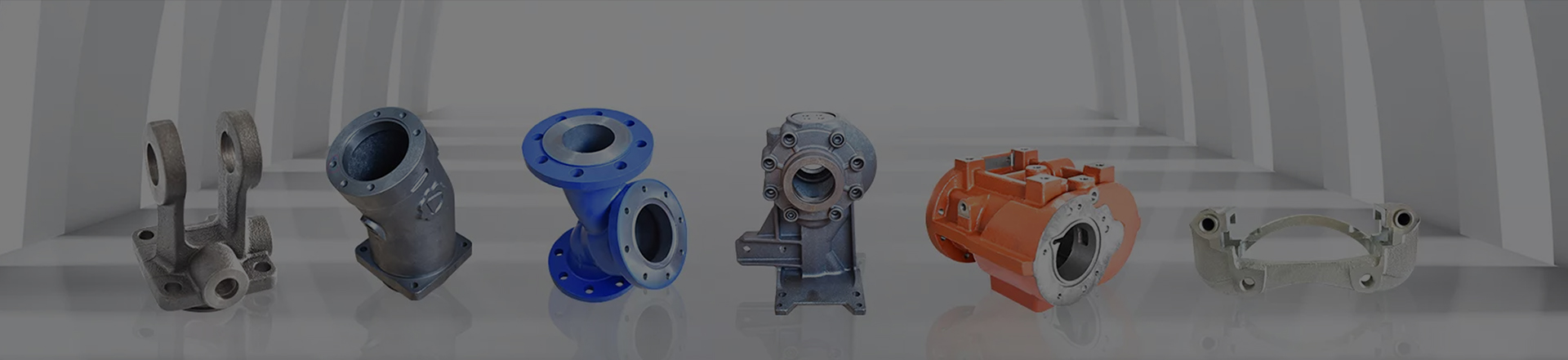
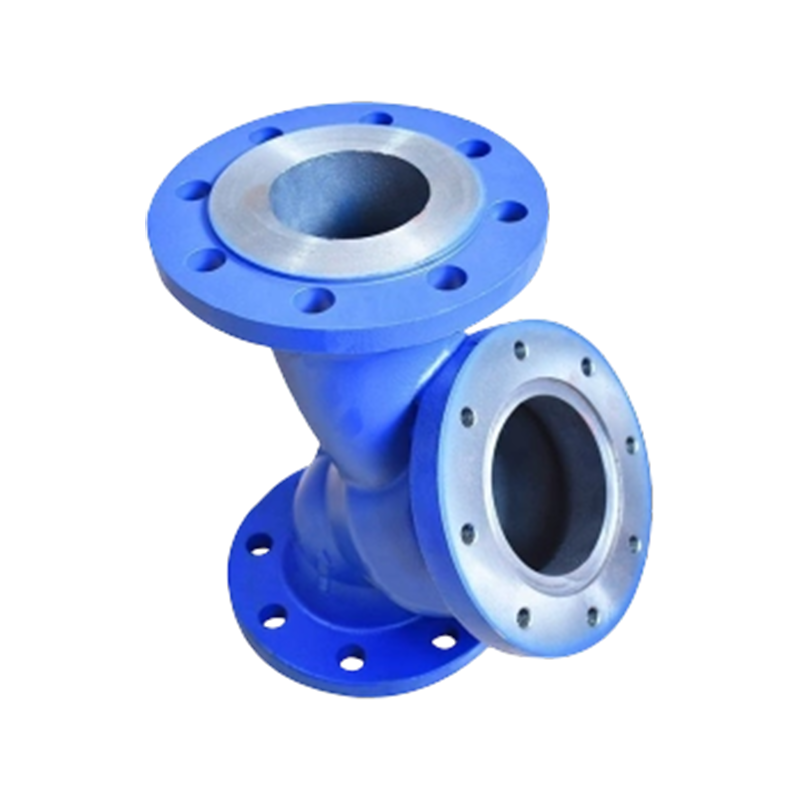
Filter for Pump and Valve Assembly
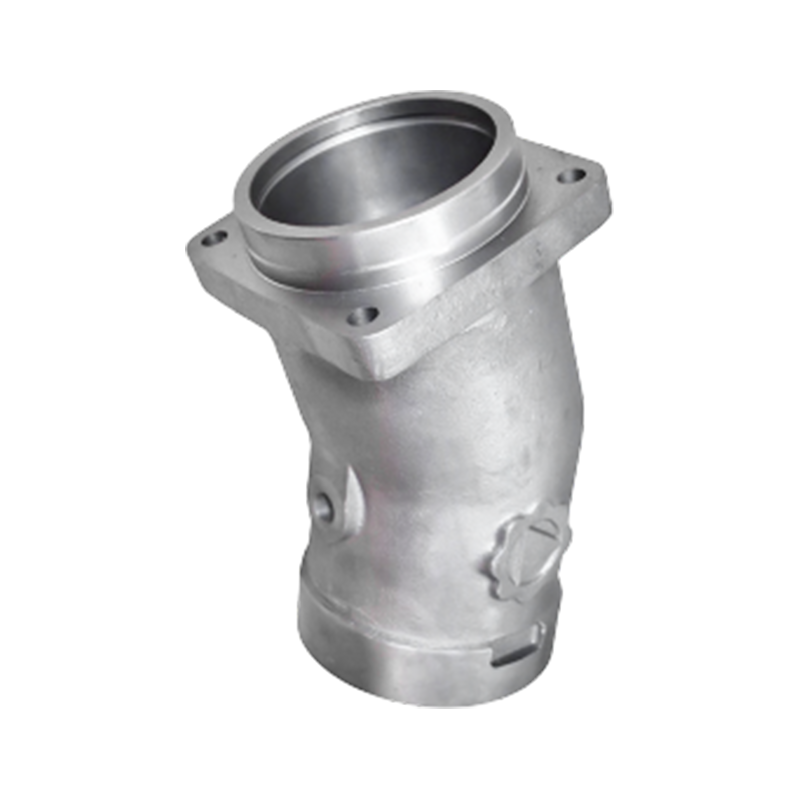
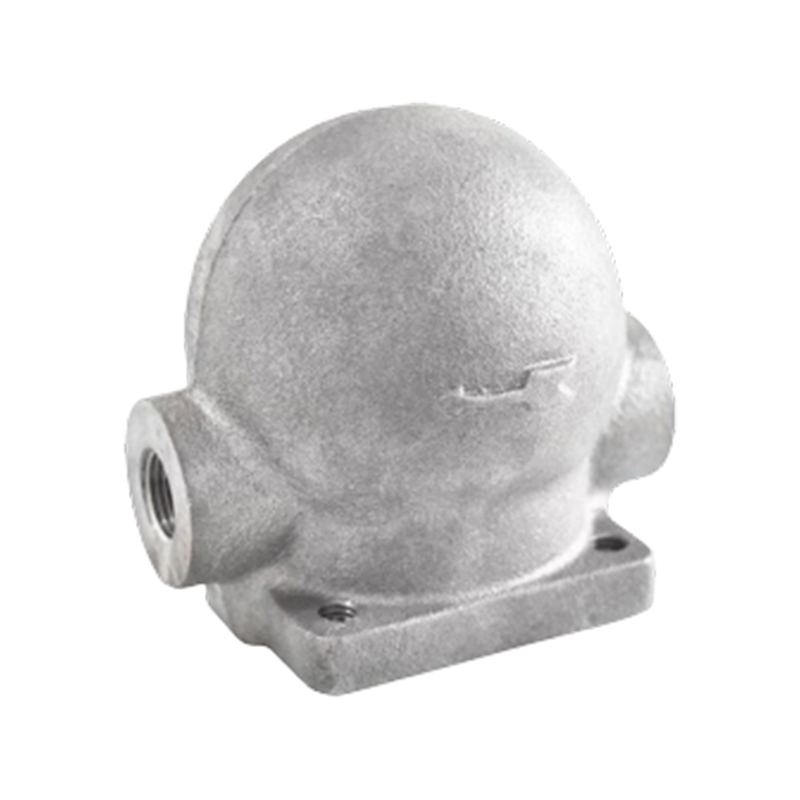
Pipeline Filter Casting - Green Sand Molding is used in pipeline systems for fluid filtration, suitable for pipeline valves, pumps, and pressure systems. The product is made of ductile iron using green sand molding, with sizes ranging from small to medium-large filter components. This casting can meet customization requirements and is applicable to hydraulic, steam, and air compression systems under various working conditions. The surface precision of the casting is suitable for subsequent machining, improving overall installation compatibility.
Core Advantages
Process Flexibility: Supports green sand molding, and molds can be customized according to customer designs.
Material Adaptability: Ductile iron can withstand high pressure and temperature changes, making it suitable for various working conditions.
Machining Compatibility: The surface precision of the casting is suitable for CNC machining and drilling processes, facilitating assembly.
Product Features
Material: Ductile Iron
Casting Method: Green Sand Molding
Size: Customizable according to customer drawings
Surface Treatment: Machinable, drillable, or sandblasted
Application Scenarios
Pipeline System Filter Components
Pre-filtration for Valves and Pumps
Air Compressor Systems
Steam Systems and Hydraulic Systems
Precautions
Applicable Temperature Range: Depending on the material, it can be used in ambient to medium-high temperature working conditions.
Maintenance Recommendations: Regularly inspect the filter casting for wear and corrosion.
Customization Services: Casting dimensions and hole positions can be designed according to customer drawings.
Transportation and Installation: Heavier castings require lifting and anti-vibration measures during transportation and installation.
Pipeline Filter Castings
| Standard Code | Standard Name | Corresponding Grade |
| ISO 1083 | Ductile Iron Grade System | JS/500-7 |
| EN 1563 | European Ductile Iron Standard | EN-GJS-500-7 |
| DIN 1693 | German Ductile Iron Standard | GGG50 |
| JIS G5502 | Japanese Ductile Iron Standard | FCD500/FCD500-7 |
| ASTM A536 | American Ductile Iron Standard | 80-55-06 (Partial Correspondence) |
| Standard Code | Standard Name | Corresponding Grade |
| ISO 1083 | International Ductile Iron Standard | 450-10 |
| EN 1563 | European Ductile Iron Standard | EN-GJS-450-10 |
| JIS G5502 | Japanese Ductile Iron Standard | FCD450-10 |
| ASTM A536 | American Ductile Iron Standard | 65-45-12 (Approximate Correspondence) |
| GOST 7293 | Russian Ductile Iron Standard | В445 (VCh45) |
| KS D 4307 | Korean Ductile Iron Standard | GCD450 |
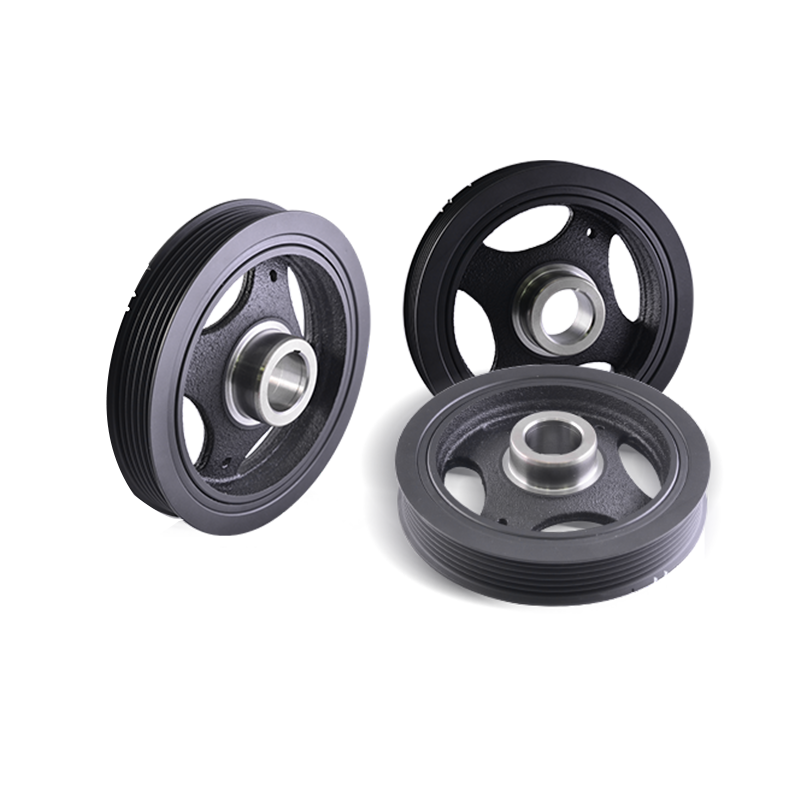
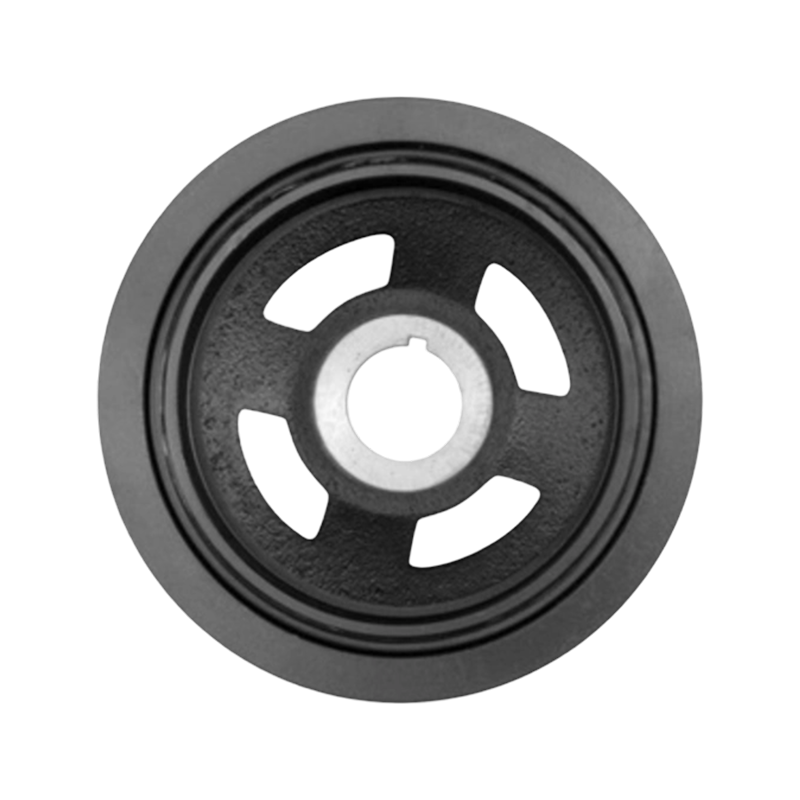
Anhui Shixuan Machinery Technology Co., Ltd. was founded in March 2016 and is located at Meicun Road, Heli Park, Ningguo Economic and Technological Development Zone, Anhui Province. With an investment of over 50 million yuan, the company covers an area of 26 mu and has a factory building of more than 18,000 square meters. We are China Pipeline Filter Castings - Green Sand Casting Suppliers and Wholesale Pipeline Filter Castings - Green Sand Casting Exporter.
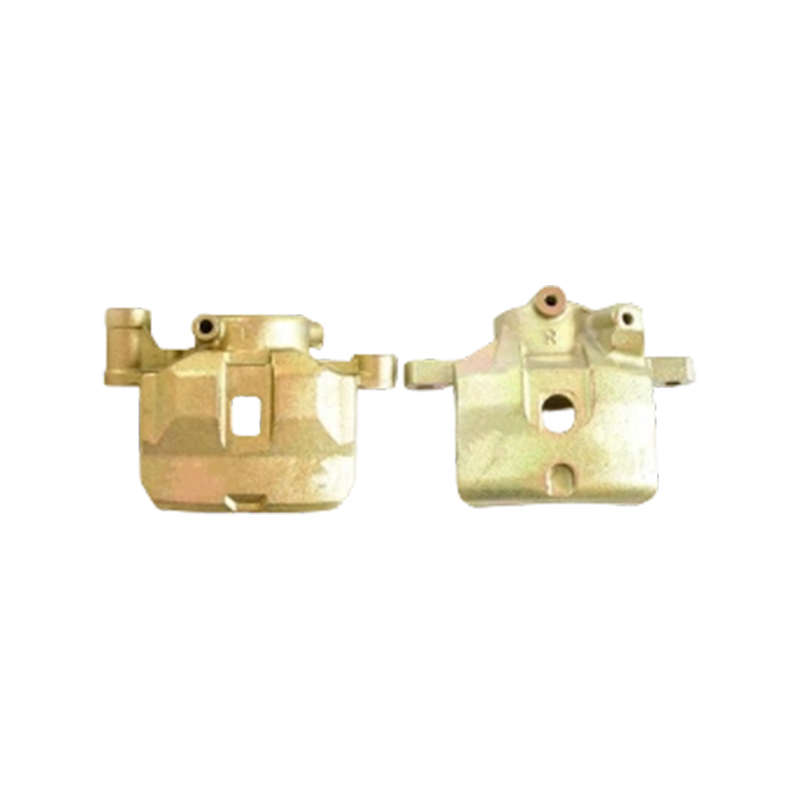
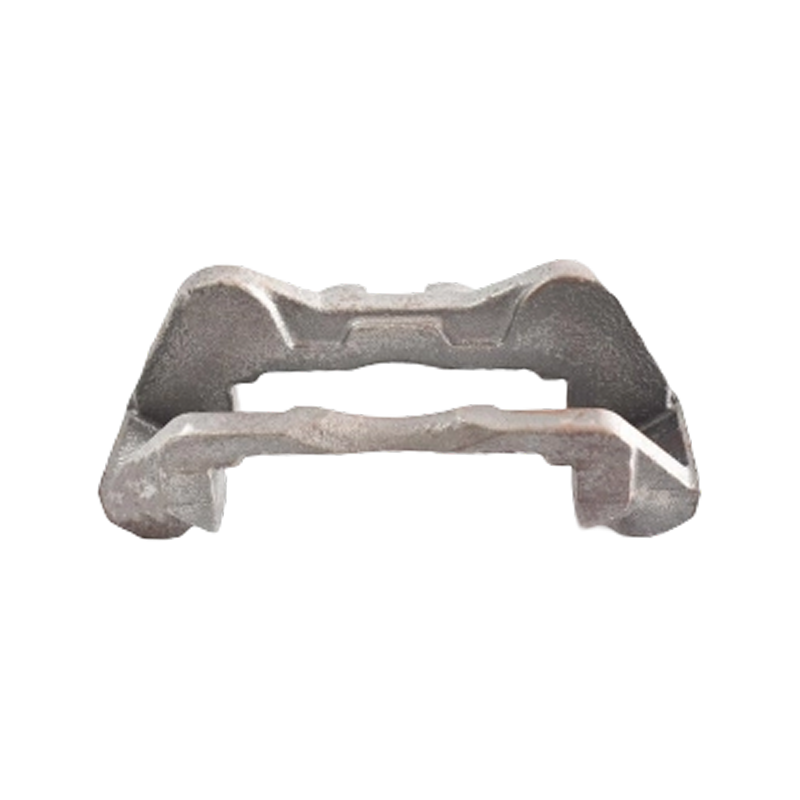
Since its establishment, the company has focused on technological innovation, aiming for industry leadership, and prioritized R&D investment and talent development. It has established an engineering technology R&D center with strong independent R&D capabilities. Equipped with a professional R&D team, the company provides specialized mold design and manufacturing for products tailored to each customer's requirements. The casting process adopts green sand and resin sand molding, producing various types of gray iron castings, ductile iron castings, and alloy castings. With an annual production capacity of over 100,000 tons, the company can manufacture products ranging from 0.5 kg to 80 kg. Its main products include auto parts, valve components (steam traps, steam valves), air compressor parts, hydraulic cylinders, and textile machinery parts. To better serve customers, the company also has a precision machining workshop equipped with CNC machining centers, CNC lathes, automatic multi-axis drilling machines, and automatic cleaning machines.
As an emerging casting manufacturer, the company boasts a high starting point and ambitious goals. Adhering to the principle of quality first and treating customers with integrity, its products are sold both domestically and internationally. Backed by advanced production equipment, superior product quality, and a strong corporate reputation, the company's products are marketed in Jiangsu, Zhejiang, Shanghai, and other regions, as well as exported to the United States (Watson McDaniel), the United Kingdom (Spirax Sarco), Argentina, and many other countries and regions. They have long been favored by customers for their stable quality and excellent performance.
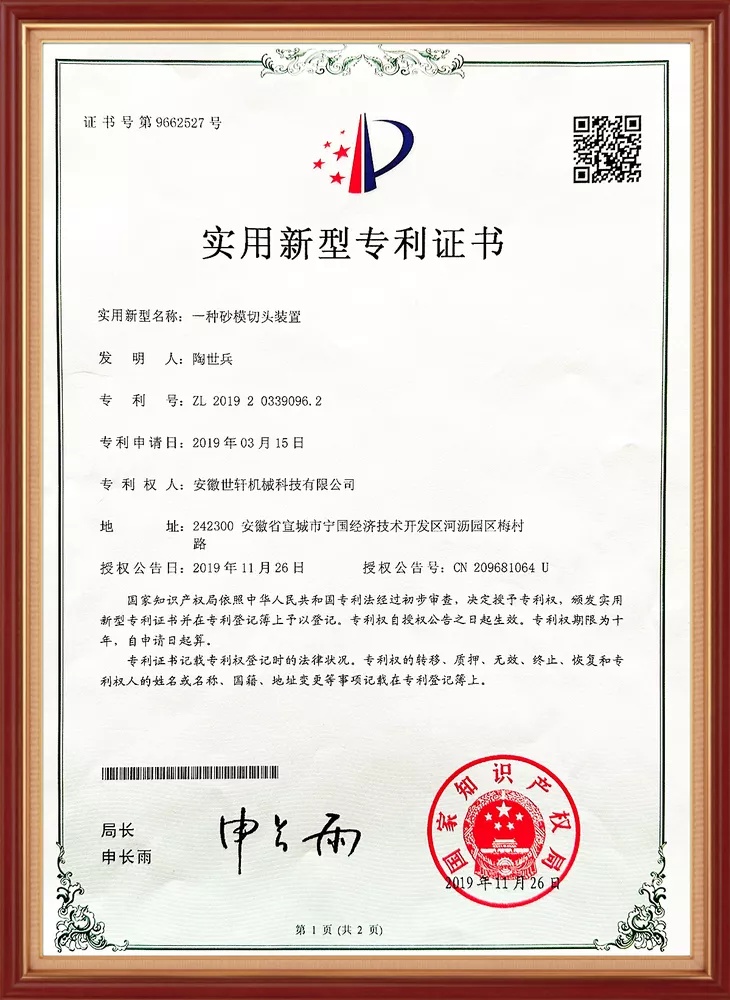
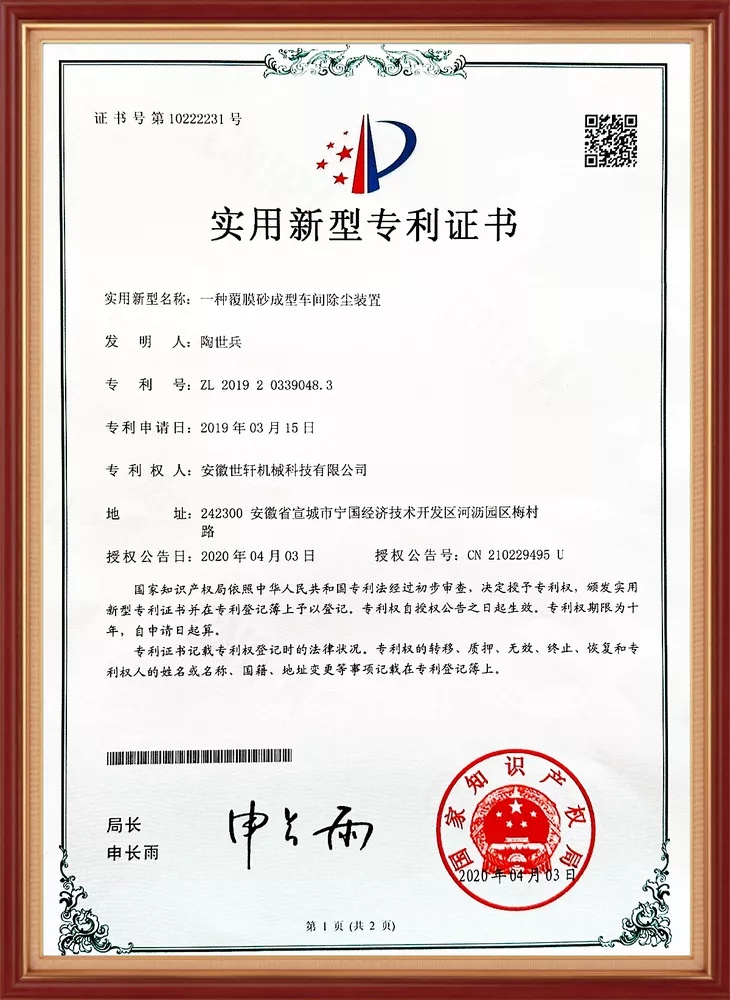
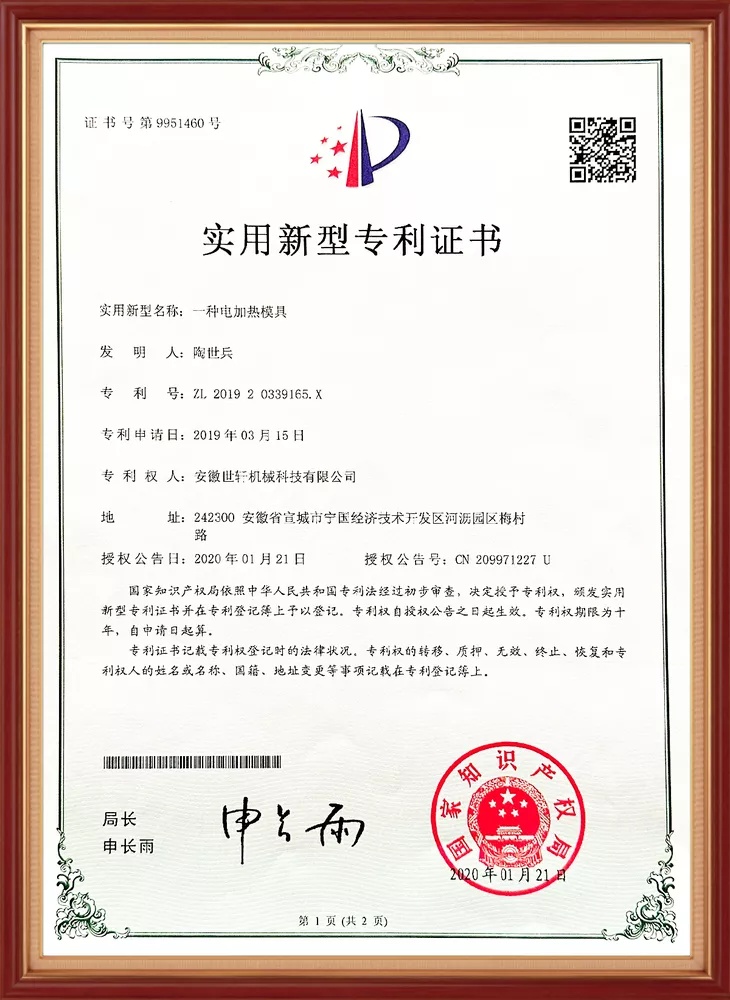
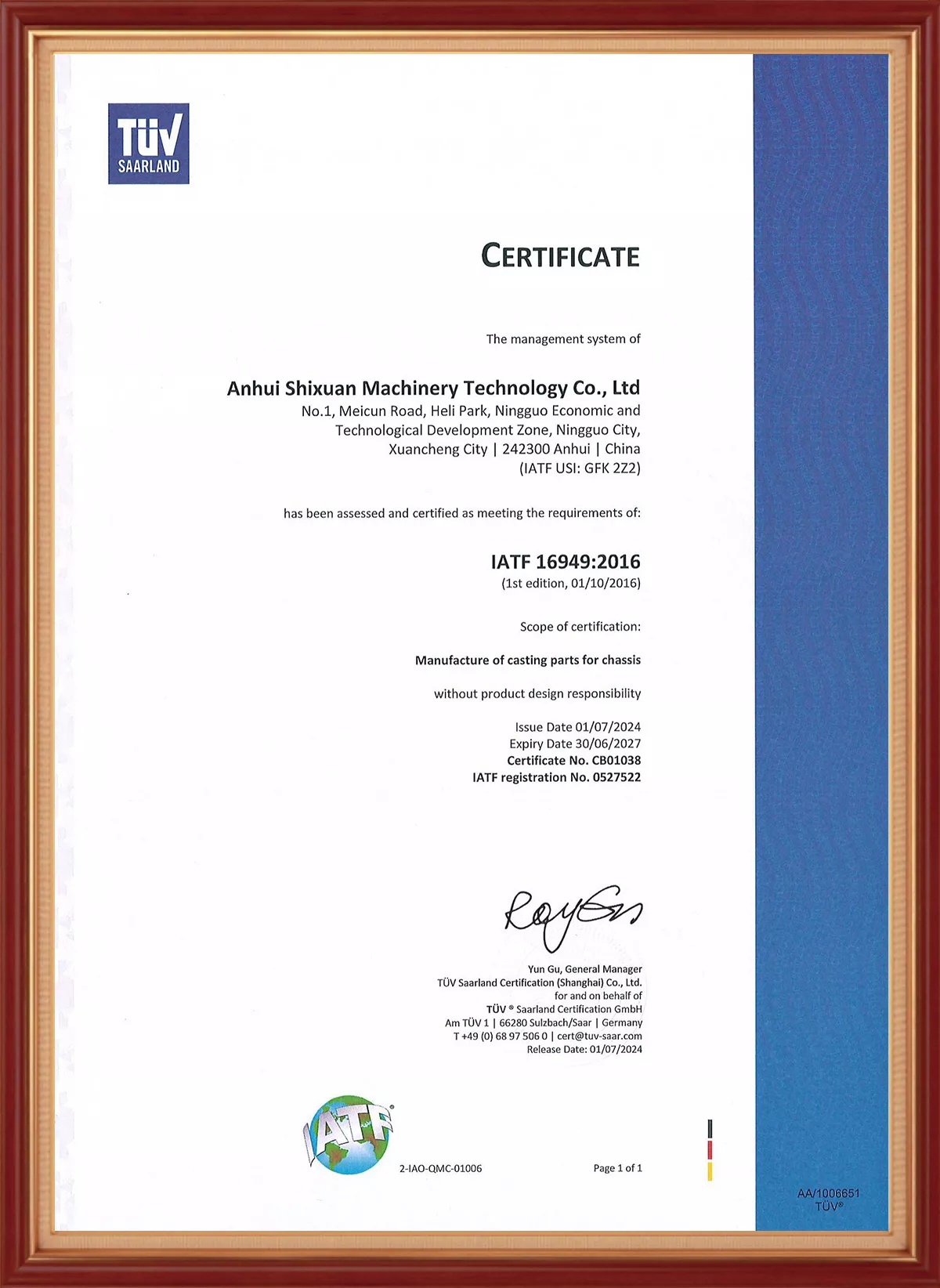
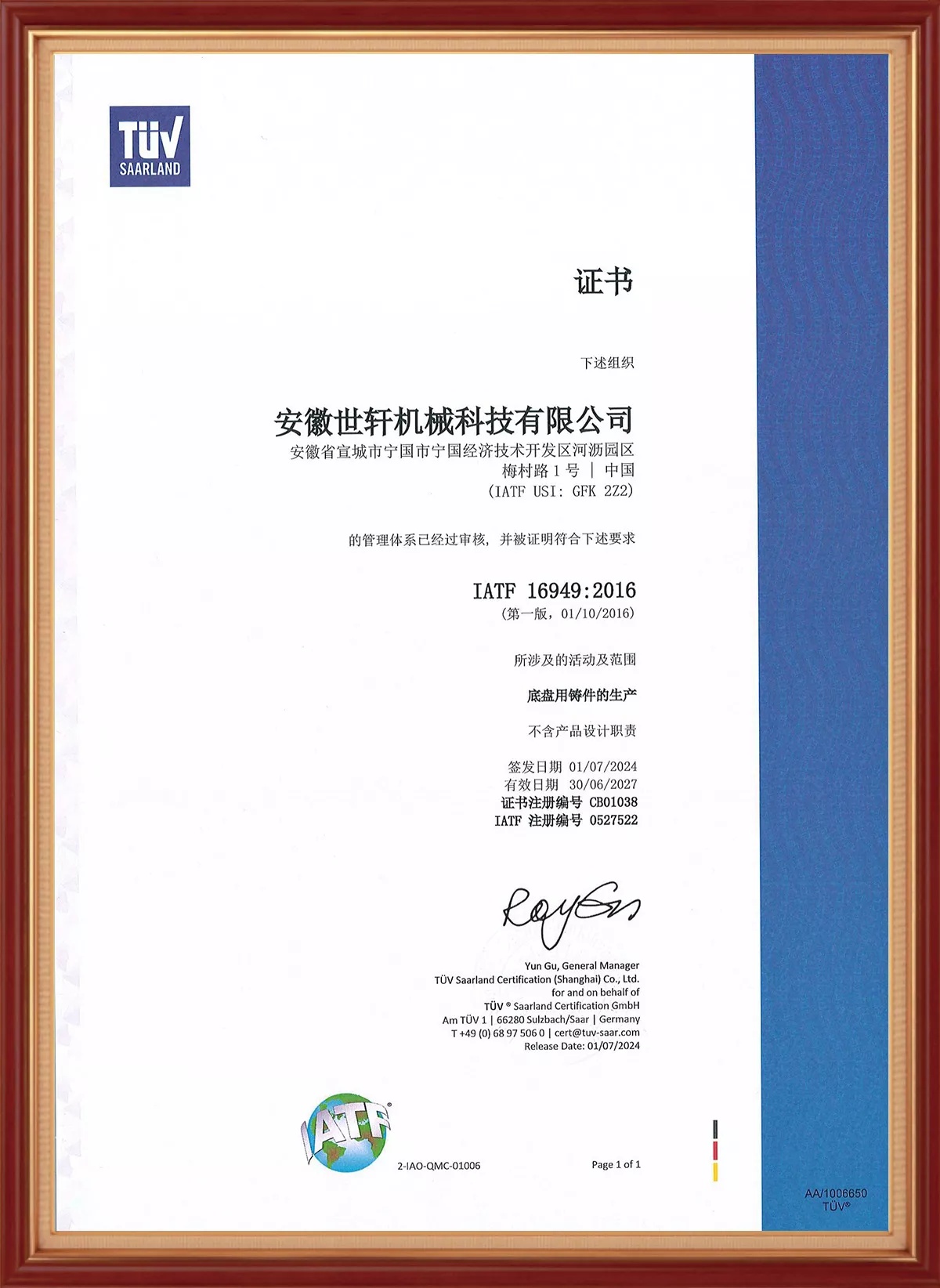
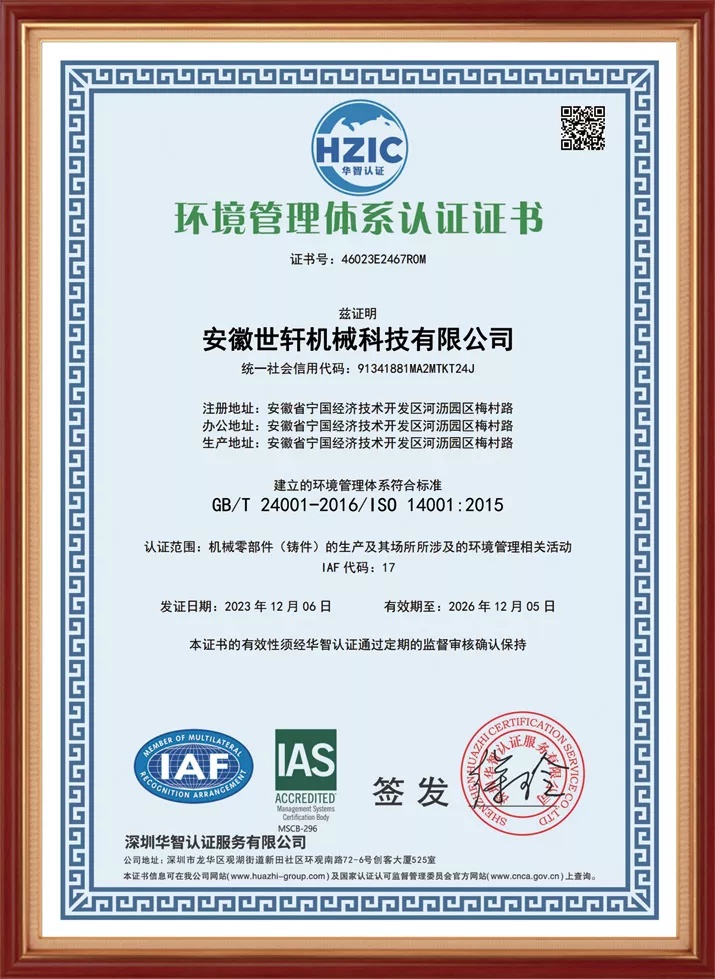
The company has passed ISO14001:2015, ISO45001:2018, IATF16949:2016, and PED certifications, ensuring product quality, safety, and environmental management. In 2022, it was recognized as a "Xuancheng City Internet Demonstration Enterprise".
Authentic reliable quality naturally stands out and fears no comparison.
Understanding Lever Float Steam Trap Fundamentals A lever float steam trap represents one of the most reliable mechanical solutions for condensate removal in industrial steam systems. These devices operate on a simple yet effective principle: using buoyancy forces to sense the presence of condensat...
READ MOREUnderstanding Two Foundational Cast Iron Materials Cast iron remains one of the most widely used metal families in industrial manufacturing, valued for its castability, damping capacity, and cost efficiency. Among the many variants, gray iron and ductile iron account for the vast majority of compon...
READ MOREGreen Sand Casting in Hydraulic Engineering: A Direct Answer Green sand casting is the most directly effective and cost-efficient method for producing high-quality hydraulic components such as valve bodies, pump housings, and manifold blocks. The process delivers a unique combination of design fl...
READ MOREPipeline Filter Castings - Green Sand Casting is a cost-effective and high-efficiency sand casting process dedicated to manufacturing pipeline filter housings, valve casings, and related fluid control components. It uses a green sand system composed of silica sand, bentonite, water, and additives to form molds without high-temperature baking, enabling stable mass production of ductile iron and gray iron filter castings with excellent air permeability and mold collapsibility.
The green sand casting process delivers unique value for pipeline filter castings, balancing production efficiency, material cost, and operational safety while ensuring consistent mechanical properties and sealing performance for fluid handling components.
Pipeline Filter Castings - Green Sand Casting is highly adaptable to ferrous casting materials commonly used in pipeline filters, providing reliable strength, corrosion resistance, and pressure-bearing capacity for long-term service in fluid systems.
Selecting the right casting process directly affects the quality, cost, and delivery of pipeline filter castings. Below is a detailed comparison between green sand and resin sand casting to support rational process selection.
| Comparison Item | Pipeline Filter Castings - Green Sand Casting | Resin Sand Casting |
| Production Cost | Lower, recyclable sand, low energy input | Higher, resin binder cost, longer curing time |
| Production Efficiency | Higher, no baking, fast mold turnover | Lower, chemical curing required, longer cycle |
| Dimensional Accuracy | Good, meets general pipeline fitting requirements | Higher, suitable for high-precision small parts |
| Surface Finish | Satisfactory, can be improved by post-machining | Smoother, less secondary processing needed |
| Suitability for Pipeline Filters | Mass production of standard filter housings | Small-batch high-precision filter components |
To ensure the performance of Pipeline Filter Castings - Green Sand Casting products, full-process quality control and precision machining services are implemented to meet assembly and operational requirements.
Pipeline Filter Castings - Green Sand Casting is mainly used to produce filter housings, valve bodies, steam trap casings, hydraulic pump shells, and pipeline connectors. These parts are widely used in fluid filtration, steam control, hydraulic systems, compressors, and textile machinery, serving both domestic industrial markets and overseas customers in the United States, the United Kingdom, Argentina, and other regions.
Green sand's high permeability allows gas to escape during pouring, reducing porosity and slag inclusions in filter cavities. Good mold collapsibility minimizes cracking during cooling, while stable mold strength ensures the integrity of complex flow channels. Recyclable sand reduces material defects, and optimized gating systems with filters further improve metal purity, enhancing the pressure resistance and service life of pipeline filter castings.
This process supports annual production capacity of over 100,000 tons, with single casting weights ranging from 0.5 kg to 80 kg. It is suitable for both mass production of standardized pipeline filter parts and medium-batch customized components, compatible with automated molding to ensure stable delivery and consistent quality for large orders.
Yes, the process and quality management system comply with IATF16949:2016, ISO14001:2015, ISO45001:2018, and PED certifications. Strict raw material testing, process control, and finished product inspection ensure that pipeline filter castings meet international safety, environmental, and quality standards for global market access.
Professional mold design and precise molding parameters improve dimensional stability and surface finish of Pipeline Filter Castings - Green Sand Casting products. Optimized pouring systems reduce defects, and in-house precision machining equipment provides targeted finishing for sealing surfaces and mounting holes, minimizing excess processing and lowering overall component costs.
Request for a call today