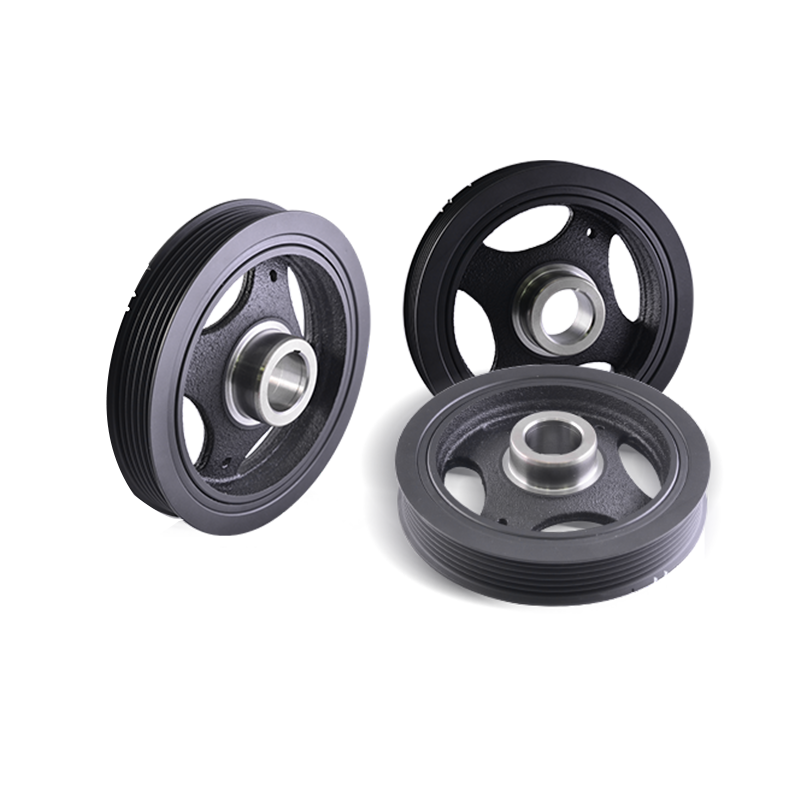
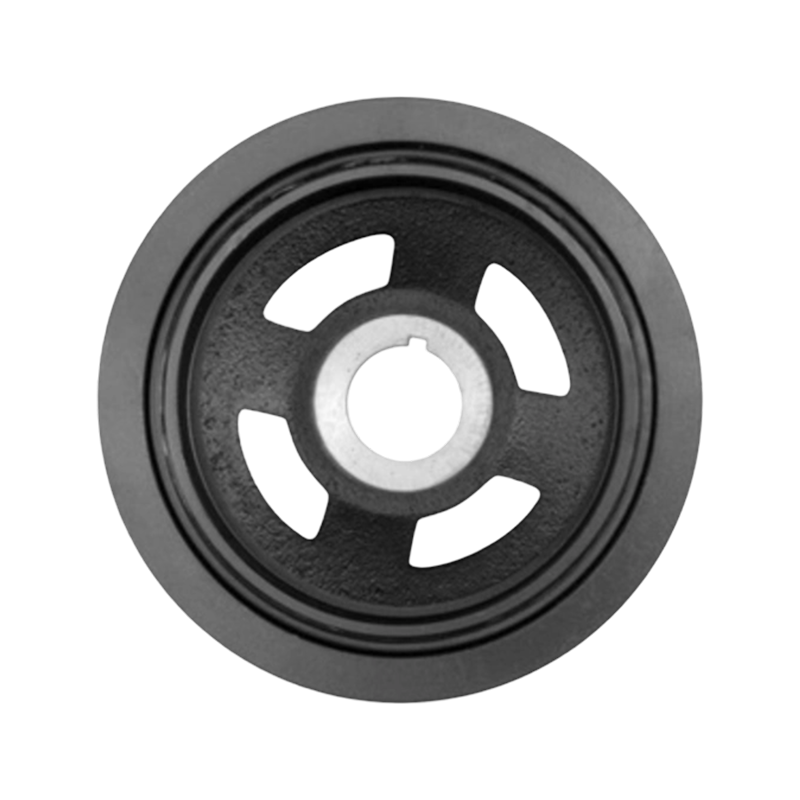
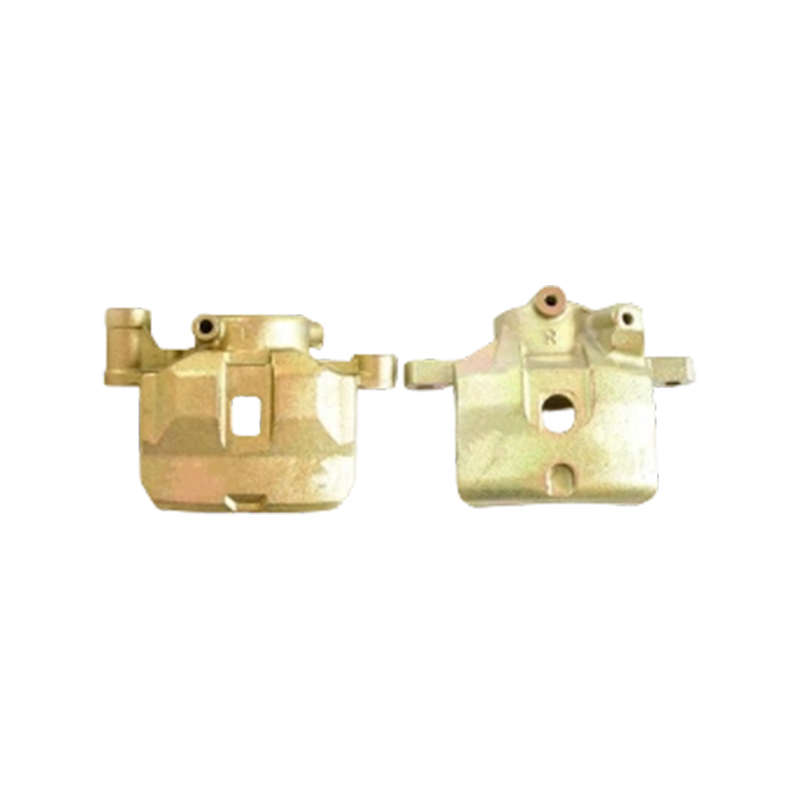
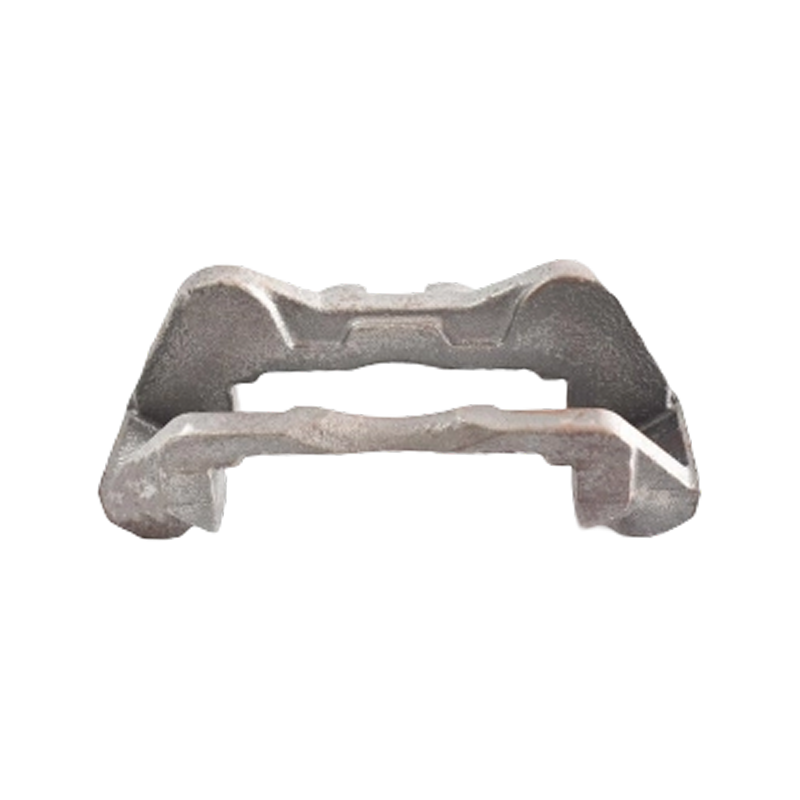
Cracked crankshaft damper pulley blank - Green Sand Casting - Grey Iron Casting - HT250 Industry knowledge
How to Prevent Cold Cracks in Grey Iron Damper Pulley Blanks Through Process Control?
The Technical Root of Cold Cracks in Grey Iron
Cold cracks in crankshaft damper pulleys typically occur during the final stages of cooling or after the casting has reached room temperature. These cracks are primarily caused by excessive internal residual stresses resulting from uneven cooling rates between thick and thin sections. For components like the damper pulley, where high rotational balance is required, preventing these structural failures is essential for engine safety.
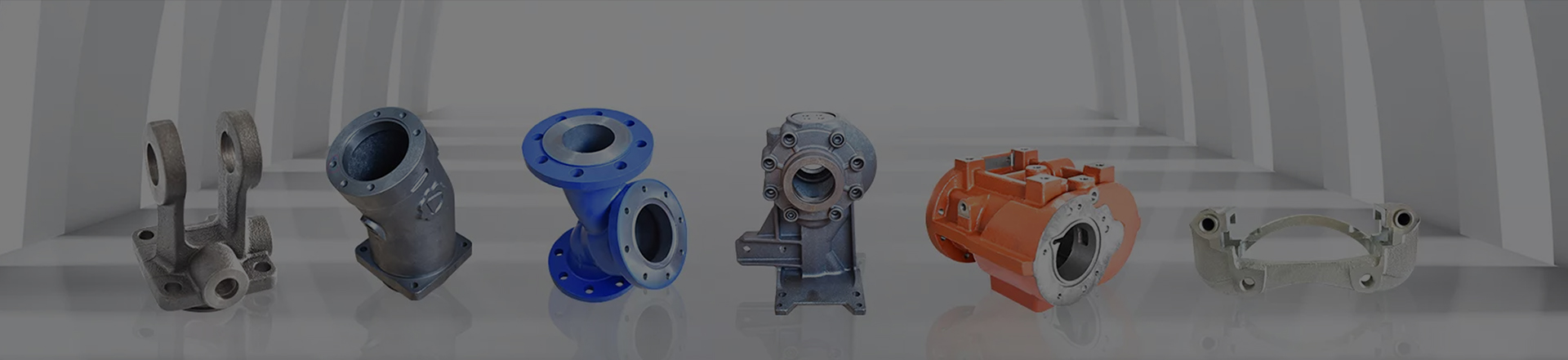
Anhui Shixuan Machinery Technology Co., Ltd. utilizes its engineering technology R&D center to mitigate these stresses through advanced thermal management. By optimizing the green sand mold parameters and cooling cycles within our 18,000-square-meter facility, we ensure that every Cracked Crankshaft Damper Pulley Blank - Grey Iron Casting is produced with minimal residual stress and maximum structural integrity.
- Optimized Shake-out Timing: Prematurely removing a casting from the sand mold can lead to rapid, uneven cooling. Anhui Shixuan Machinery Technology Co., Ltd. strictly controls the shake-out temperature to ensure a gradual transition, allowing the grey iron matrix to stabilize.
- Gating and Riser System Design: Our professional R&D team designs specialized mold systems that ensure a balanced heat distribution, preventing the thin pulley ribs from cooling too quickly relative to the heavy central hub.
- Chemical Composition Balancing: We maintain a precise Carbon Equivalent (CE) and Manganese-to-Sulfur ratio to improve the toughness of the HT250/HT300 grey iron, making it more resistant to brittle cracking under stress.
Technical Comparison: Anti-Cracking Process Standards
The following table illustrates the process improvements implemented at Anhui Shixuan Machinery Technology Co., Ltd. to eliminate cracking issues in grey iron pulley blanks:
| Process Variable |
Standard Casting Process |
Shixuan Optimized Process |
Benefit to Damper Pulleys |
| Shake-out Temperature |
Variable (> 500°C) |
Controlled < 300°C |
Significant reduction in residual thermal stress |
| Cooling Rate Consistency |
High Gradient |
Low Gradient (Controlled) |
Eliminates structural distortion and cold cracks |
| Mold Compactness |
75 - 80 Hardness |
90 - 95 Hardness |
Provides rigid support to prevent mold-wall movement |
| Inoculation Method |
Standard Ladle Inoculation |
Multi-Stage Stream Inoculation |
Refines graphite flakes for improved tensile toughness |
| Residual Stress Levels |
High |
Low (Minimally Impactful) |
Higher reliability during high-speed rotation |
Industry Knowledge FAQ
Q1: How does Anhui Shixuan Machinery Technology Co., Ltd. handle the inspection of internal cracks in grey iron?
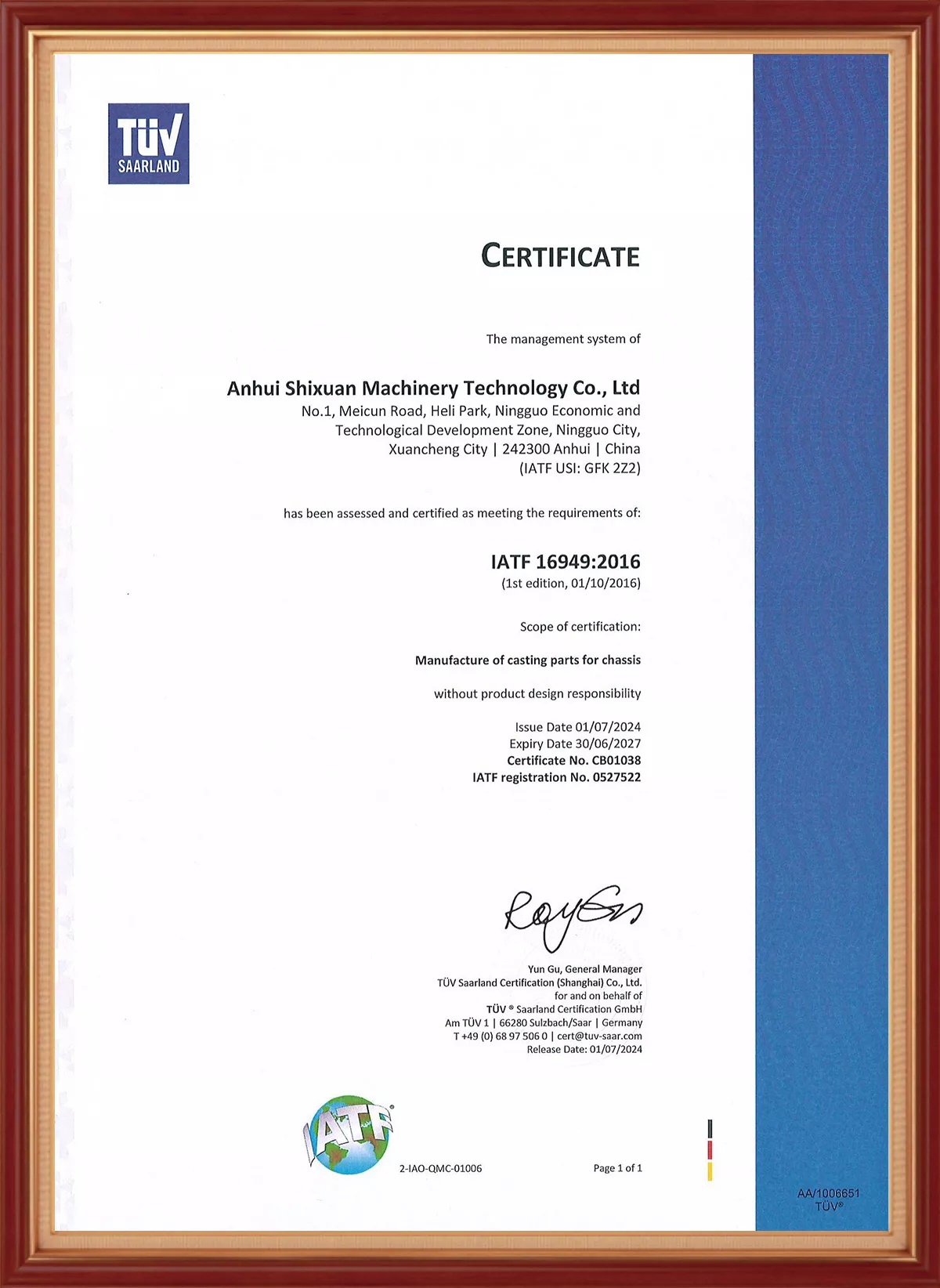
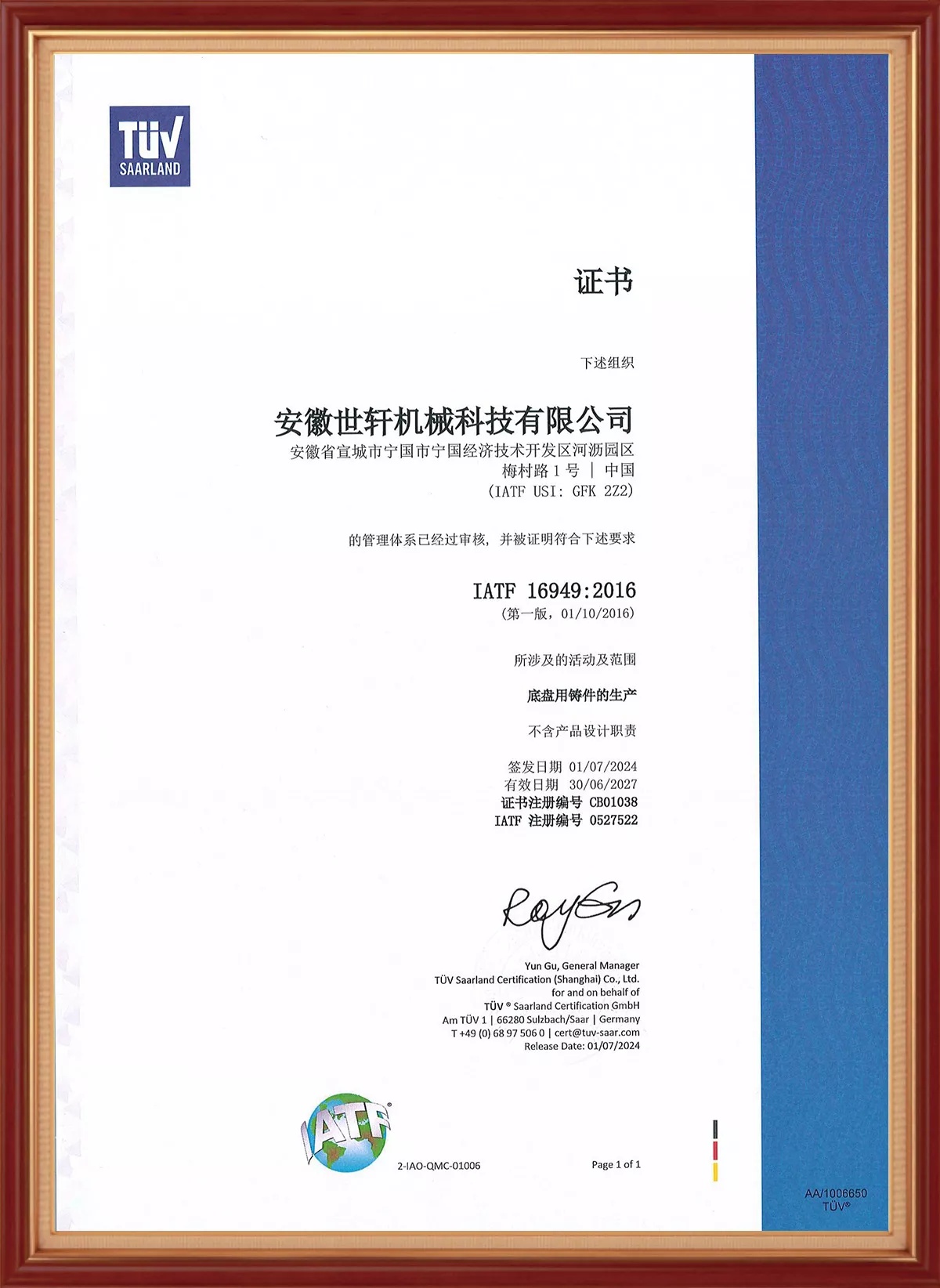
A1: Structural integrity is our priority. Anhui Shixuan Machinery Technology Co., Ltd. is certified under IATF16949:2016 and ISO9001:2015. We employ rigorous non-destructive testing (NDT) methods, including ultrasonic and magnetic particle inspection, to ensure that no subsurface cracks exist. As a "Xuancheng City Internet Demonstration Enterprise," we utilize digital quality tracking to ensure that every auto part marketed in Jiangsu, Zhejiang, and Shanghai meets our "quality first" principle.
Q2: Does Anhui Shixuan Machinery Technology Co., Ltd. support custom material grades for specific engine requirements?
A2: Yes. Founded in 2016 with a 50 million yuan investment, Anhui Shixuan Machinery Technology Co., Ltd. has developed a strong engineering technology R&D center. We provide specialized mold design and material manufacturing tailored to customer needs, including various types of gray iron, ductile iron, and alloy castings. This allows us to serve global leaders like Spirax Sarco and Watson McDaniel with high-performance components tailored to their specific technical parameters.
Q3: What machining capabilities does Anhui Shixuan Machinery Technology Co., Ltd. offer for pulley blanks?
A3: We offer a one-stop solution. Anhui Shixuan Machinery Technology Co., Ltd. has a precision machining workshop equipped with CNC machining centers, CNC lathes, and automatic multi-axis drilling machines. This allows us to take a raw damper pulley blank (from 0.5 kg to 80 kg) and process it into a finished part with precise dynamic balance and clean surfaces, ensuring it is ready for immediate assembly upon delivery to international markets like the USA, UK, and Argentina.




 English
 中文简体
中文简体 Español