
 English
 中文简体
中文简体 Español
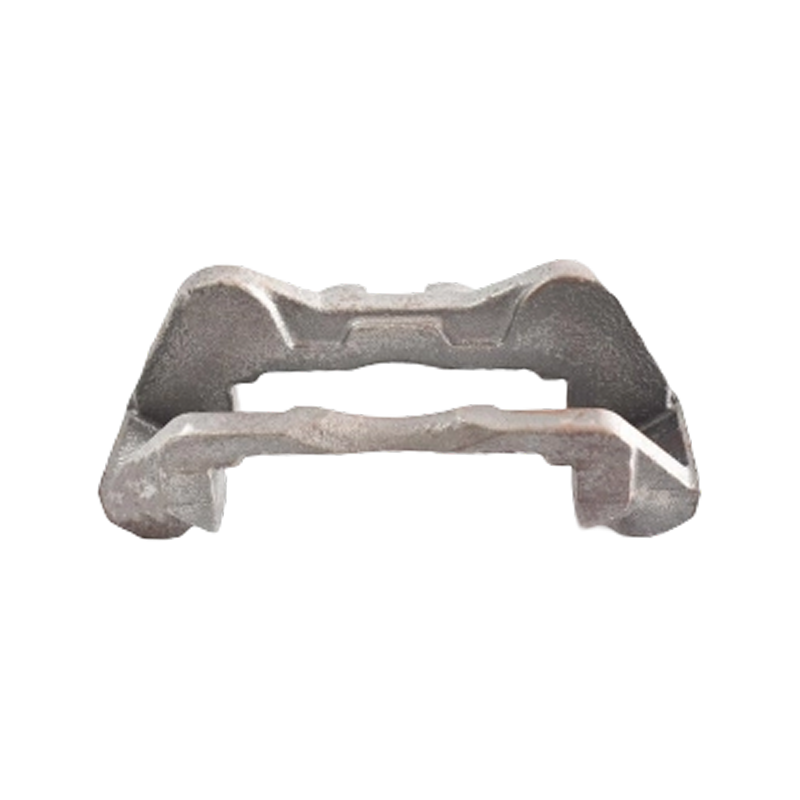
Wholesale Brake caliper blank -Green Sand Casting QT500-7
Home / Products / Ductile Iron Castings / Green Sand Casting - Automobile Parts / Brake caliper blank -Green Sand Casting QT500-7

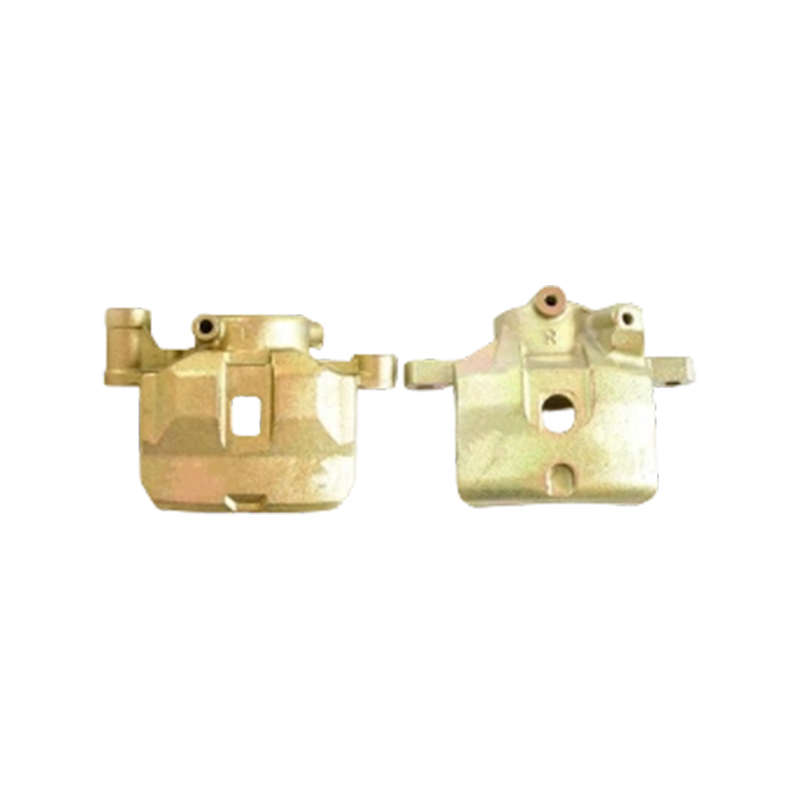
The brake caliper blank is the basic material for disc brake calipers. It is an initial, unfinished form produced through casting. Subsequent machining (turning, milling, drilling, boring, etc.) is required to create a finished caliper body with components such as pistons, guide pins, and brake pads. It directly determines the strength, rigidity, and durability of the finished caliper, serving as the fundamental guarantee of the caliper's core performance.
The Brake Caliper Housing Blank serves as the primary structural component for disc brake calipers. Manufactured using the Green Sand Casting process, this blank provides the essential initial form required before precision machining operations such as turning, milling, drilling, and boring. This component is engineered to house critical elements, including pistons, guide pins, and brake pads. The casting quality fundamentally determines the final caliper's mechanical strength, structural rigidity, and long-term durability under thermal stress.
Core Advantages
Dimensional Accuracy: Controlled sand-to-metal ratios ensure consistent shrinkage, minimizing machining allowances.
Material Integrity: Complies strictly with QT500-7 and QT450-10 standards, ensuring optimal ferrite-pearlite distribution.
Production Scalability: Highly efficient for mass production on automated molding lines, reducing unit costs for automotive supply chains.
Internal Soundness: Uniform cooling rates within the sand mold reduce internal casting stresses and micro-porosity.
Technical Specifications
Material Grades: Ductile Iron QT500-7 (High Strength) / QT450-10 (High Ductility).
Process Method: Automated Green Sand Molding Line.
Surface Treatment: Shot blasting according to industrial standards for clean, paint-ready surfaces.
Inspection Protocols: Metallographic analysis, tensile testing, Brinell hardness testing, and ultrasonic flaw detection.
Applications
Designed for integration into the braking systems of various vehicle categories:
Commercial & Heavy-Duty Vehicles: Provides necessary compressive strength for heavy-load braking.
Heavy Trucks: Ensures structural stability and thermal resistance under extreme operational conditions.
Passenger Vehicles (SUVs & Sedans): Balances weight reduction requirements with high-response structural stiffness.
Technical FAQ & Solutions
Porosity Control: Optimized gating and riser systems through mold flow simulation to ensure proper metal feeding during solidification.
Hardness Variation: Strict control of carbon equivalent and nodularization timing to prevent chill formation and improve machinability.
Tolerance Management: Utilization of high-precision patterns and automated molding equipment to minimize dimensional deviations.
QT500-7/QT450-10
| Standard Code | Standard Name | Corresponding Grade |
| ISO 1083 | Ductile Iron Grade System | JS/500-7 |
| EN 1563 | European Ductile Iron Standard | EN-GJS-500-7 |
| DIN 1693 | German Ductile Iron Standard | GGG50 |
| JIS G5502 | Japanese Ductile Iron Standard | FCD500/FCD500-7 |
| ASTM A536 | American Ductile Iron Standard | 80-55-06 (Partial Correspondence) |
| Standard Code | Standard Name | Corresponding Grade |
| ISO 1083 | International Ductile Iron Standard | 450-10 |
| EN 1563 | European Ductile Iron Standard | EN-GJS-450-10 |
| JIS G5502 | Japanese Ductile Iron Standard | FCD450-10 |
| ASTM A536 | American Ductile Iron Standard | 65-45-12 (Approximate Correspondence) |
| GOST 7293 | Russian Ductile Iron Standard | В445 (VCh45) |
| KS D 4307 | Korean Ductile Iron Standard | GCD450 |
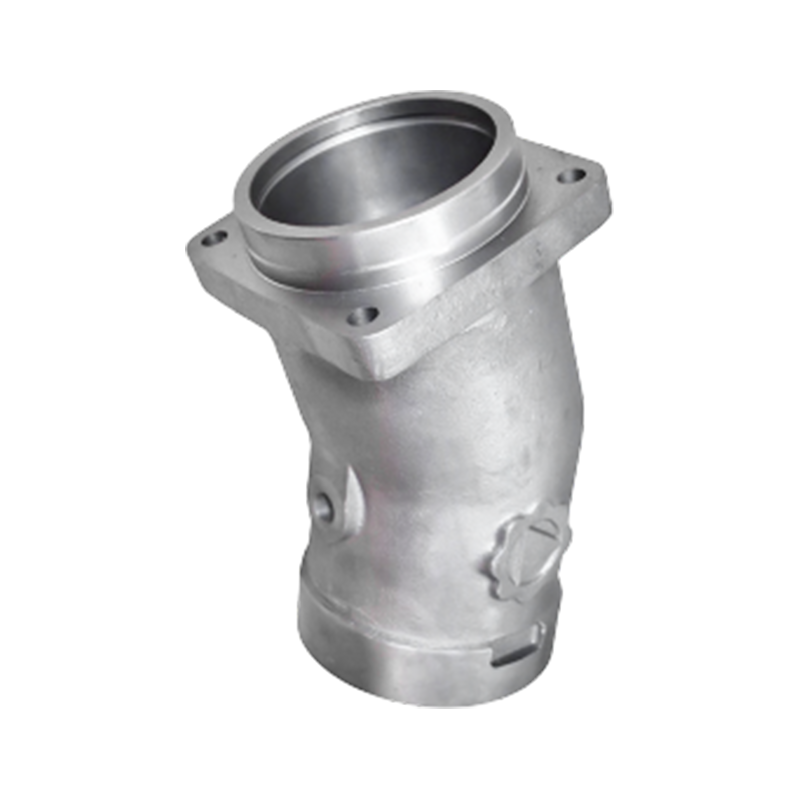
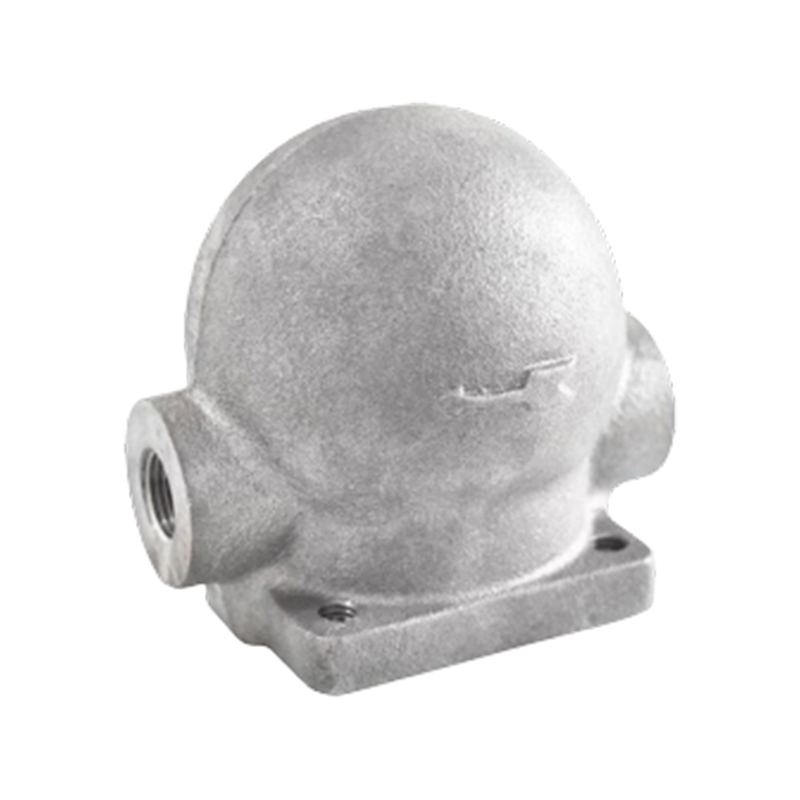
Anhui Shixuan Machinery Technology Co., Ltd. was founded in March 2016 and is located at Meicun Road, Heli Park, Ningguo Economic and Technological Development Zone, Anhui Province. With an investment of over 50 million yuan, the company covers an area of 26 mu and has a factory building of more than 18,000 square meters. We are China Brake caliper blank -Green Sand Casting QT500-7 Suppliers and Wholesale Brake caliper blank -Green Sand Casting QT500-7 Exporter.
Since its establishment, the company has focused on technological innovation, aiming for industry leadership, and prioritized R&D investment and talent development. It has established an engineering technology R&D center with strong independent R&D capabilities. Equipped with a professional R&D team, the company provides specialized mold design and manufacturing for products tailored to each customer's requirements. The casting process adopts green sand and resin sand molding, producing various types of gray iron castings, ductile iron castings, and alloy castings. With an annual production capacity of over 100,000 tons, the company can manufacture products ranging from 0.5 kg to 80 kg. Its main products include auto parts, valve components (steam traps, steam valves), air compressor parts, hydraulic cylinders, and textile machinery parts. To better serve customers, the company also has a precision machining workshop equipped with CNC machining centers, CNC lathes, automatic multi-axis drilling machines, and automatic cleaning machines.
As an emerging casting manufacturer, the company boasts a high starting point and ambitious goals. Adhering to the principle of quality first and treating customers with integrity, its products are sold both domestically and internationally. Backed by advanced production equipment, superior product quality, and a strong corporate reputation, the company's products are marketed in Jiangsu, Zhejiang, Shanghai, and other regions, as well as exported to the United States (Watson McDaniel), the United Kingdom (Spirax Sarco), Argentina, and many other countries and regions. They have long been favored by customers for their stable quality and excellent performance.
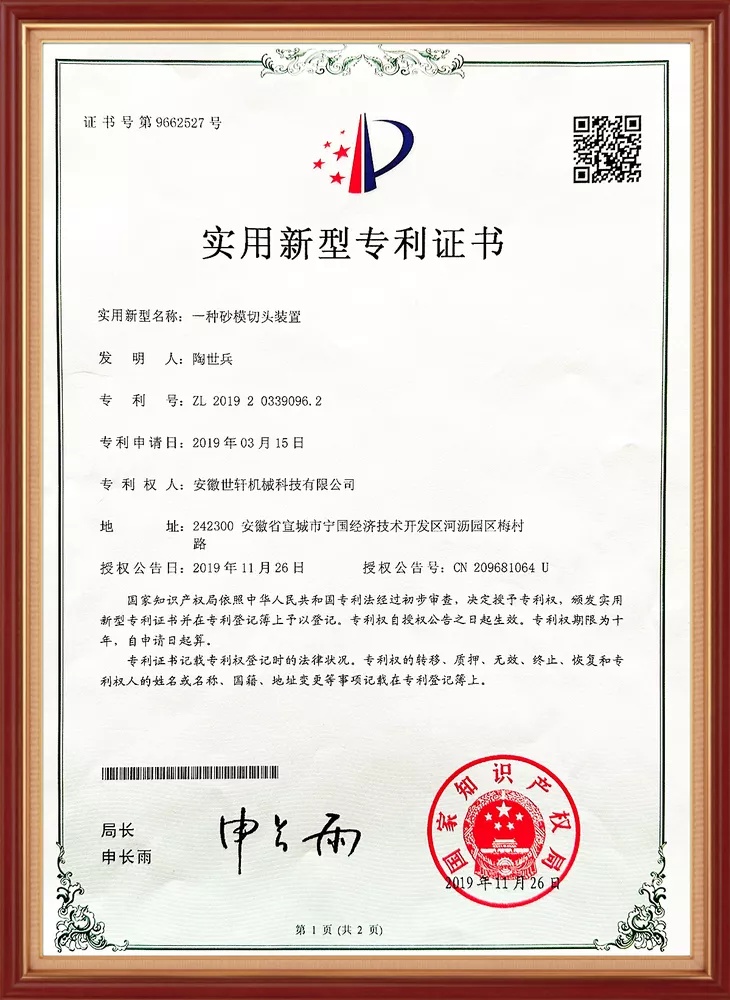
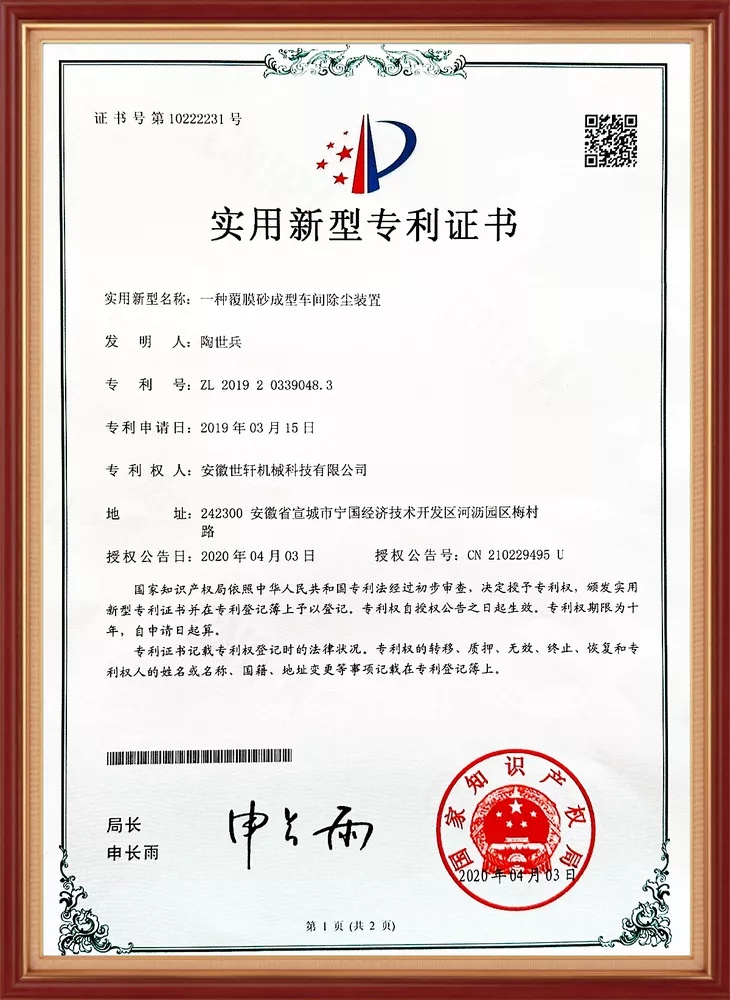
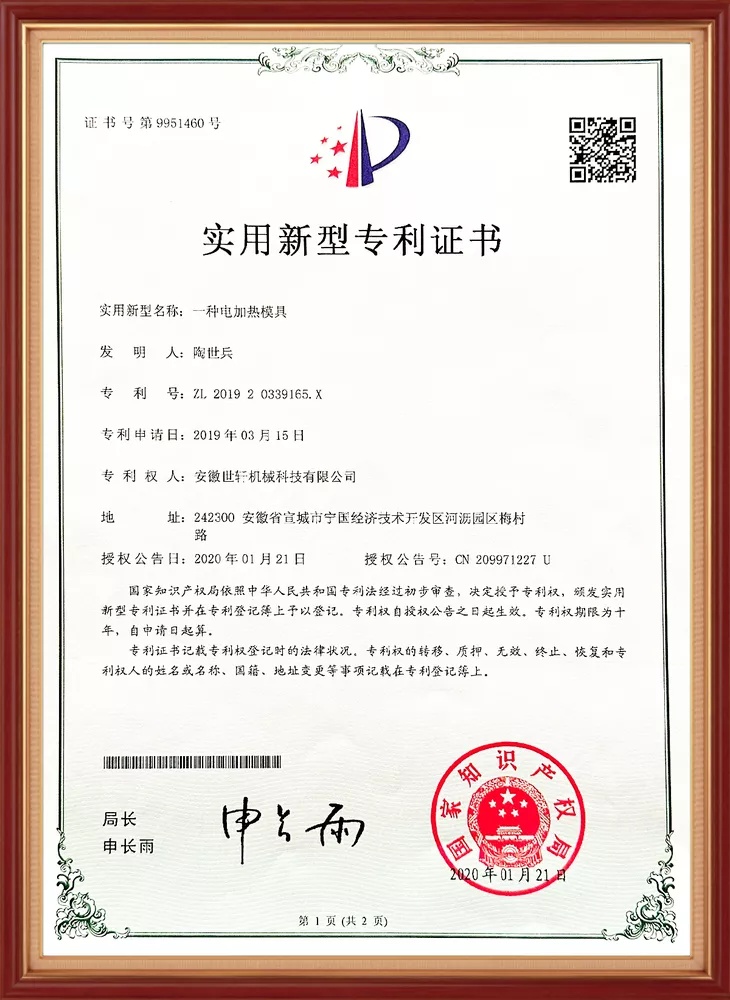
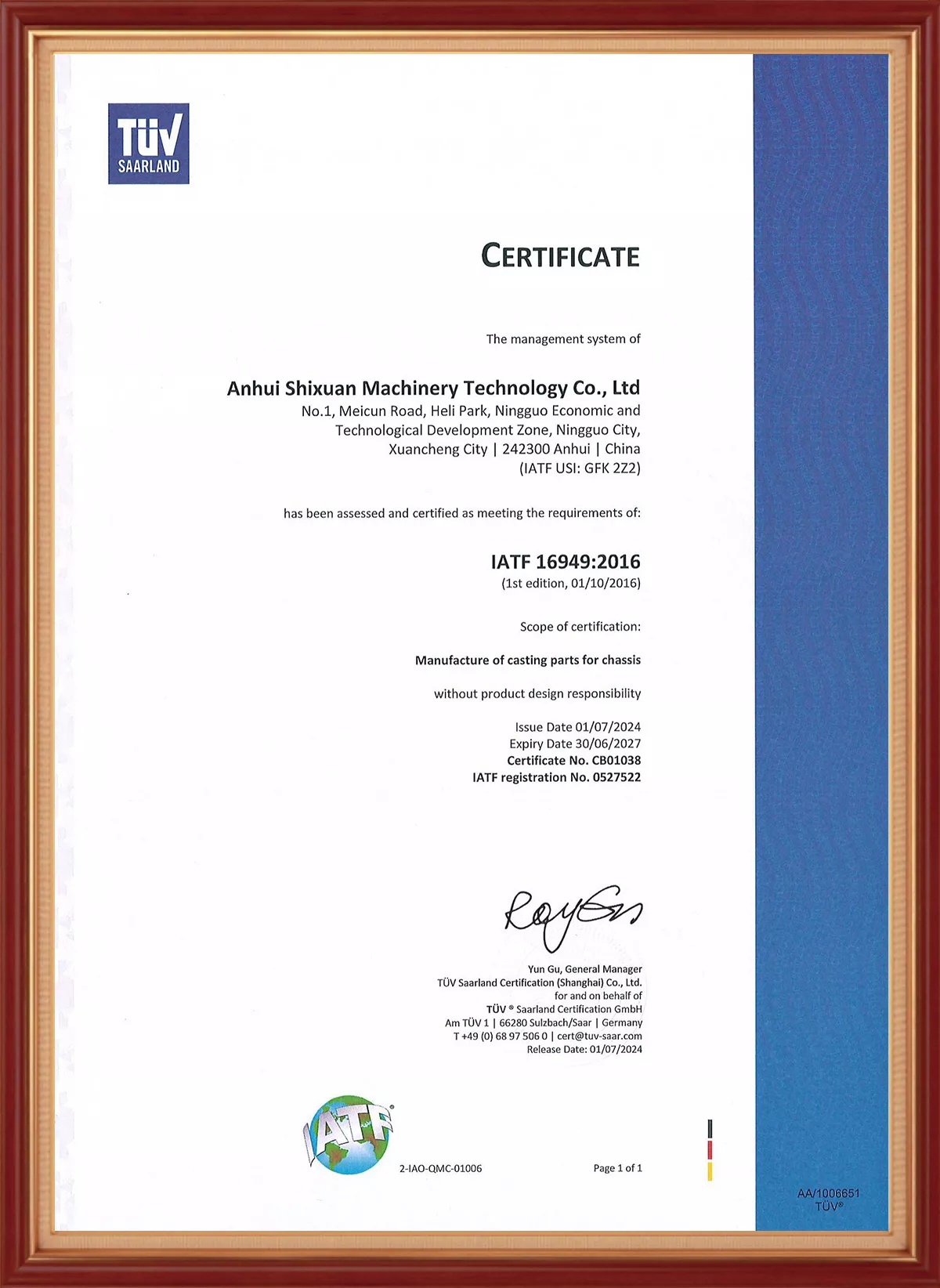
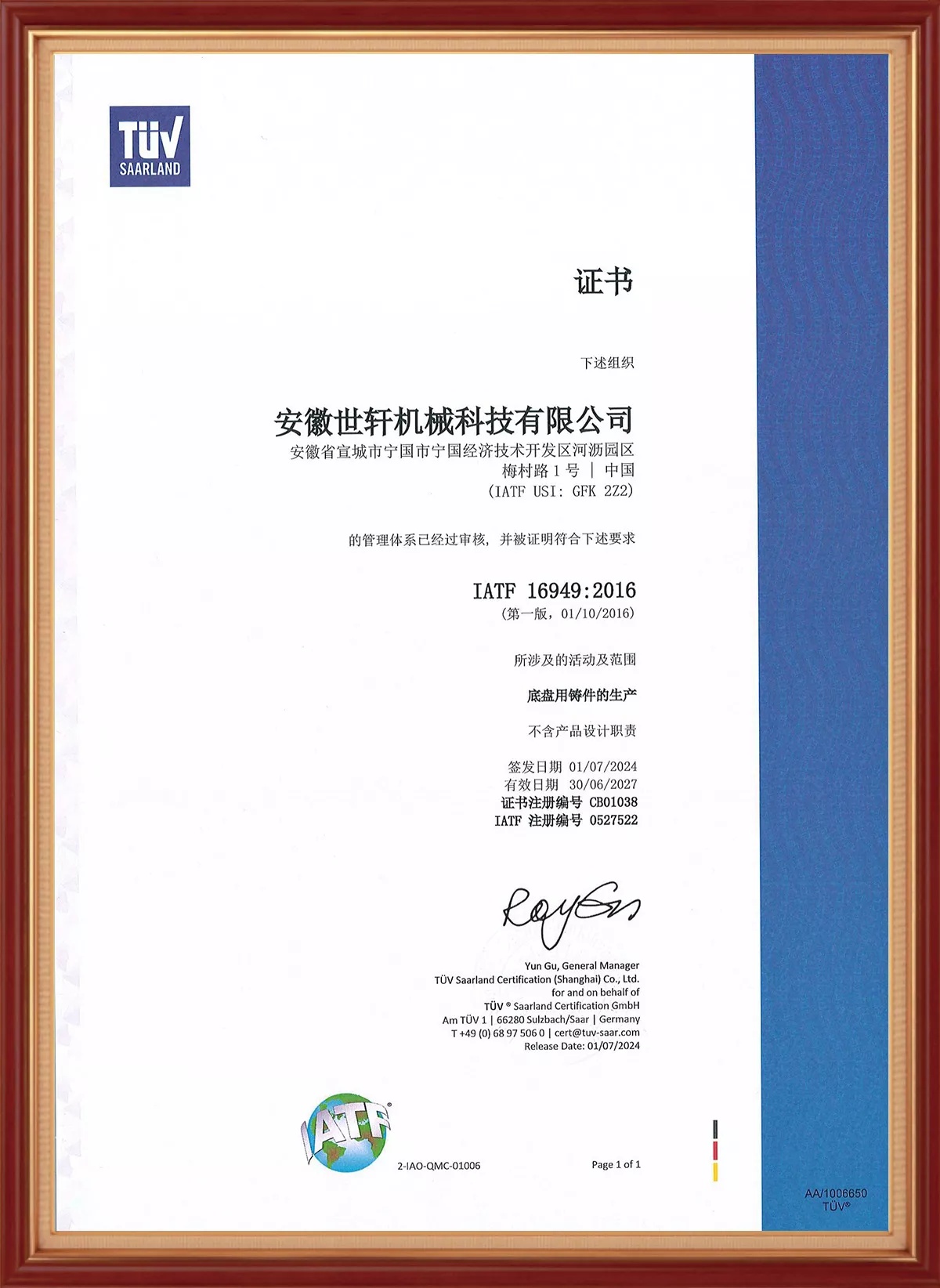
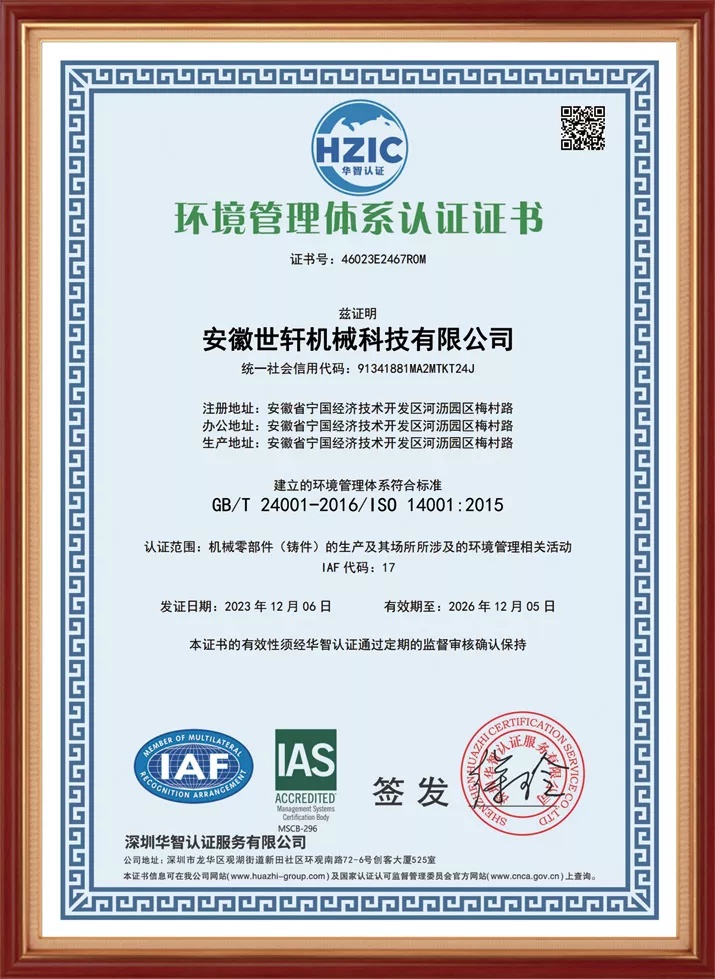
The company has passed ISO14001:2015, ISO45001:2018, IATF16949:2016, and PED certifications, ensuring product quality, safety, and environmental management. In 2022, it was recognized as a "Xuancheng City Internet Demonstration Enterprise".
Authentic reliable quality naturally stands out and fears no comparison.
Understanding Lever Float Steam Trap Fundamentals A lever float steam trap represents one of the most reliable mechanical solutions for condensate removal in industrial steam systems. These devices operate on a simple yet effective principle: using buoyancy forces to sense the presence of condensat...
READ MOREUnderstanding Two Foundational Cast Iron Materials Cast iron remains one of the most widely used metal families in industrial manufacturing, valued for its castability, damping capacity, and cost efficiency. Among the many variants, gray iron and ductile iron account for the vast majority of compon...
READ MOREGreen Sand Casting in Hydraulic Engineering: A Direct Answer Green sand casting is the most directly effective and cost-efficient method for producing high-quality hydraulic components such as valve bodies, pump housings, and manifold blocks. The process delivers a unique combination of design fl...
READ MORESubsurface porosity is a critical defect in brake caliper production, often remaining invisible until the precision machining of piston bores. These tiny gas holes compromise the pressure integrity of the hydraulic system. To prevent these defects, the casting process must balance sand permeability, moisture levels, and the generation of volatile gases during pouring.
Anhui Shixuan Machinery Technology Co., Ltd. utilizes its engineering technology R&D center to implement a "Low-Moisture, High-Permeability" strategy. By leveraging our automated molding lines within our 18,000-square-meter facility, we ensure that every Brake Caliper Blank - Green Sand Casting achieves a dense internal structure that meets the zero-leakage requirements of modern hydraulic braking systems.
The following table outlines the specialized parameters maintained by Anhui Shixuan Machinery Technology Co., Ltd. to ensure the integrity of automotive caliper blanks:
| Sand Parameter | Standard General Casting | Shixuan Caliper Standard | Benefit to Brake Calipers |
| Moisture Content (%) | 3.8% - 4.5% | 3.0% - 3.5% | Drastically reduces gas source at the interface |
| Permeability (cm³/min) | 100 - 130 | 150 - 180 | Ensures rapid exhaust of mold gases |
| Compactibility Rate | 45% - 52% | 34% - 40% | Improves gas venting while maintaining rigidity |
| Volatile Matter Content | High Variation | Stable < 2.5% | Prevents turbulent gas entrapment |
| Sand Temperature | Ambient Variable | Controlled < 45°C | Maintains consistent moisture and mold quality |
A1: Hydraulic safety is essential for products like brake calipers and cylinders. Anhui Shixuan Machinery Technology Co., Ltd. is certified under IATF16949:2016 and PED, ensuring our ductile iron castings meet international safety standards. As a "Xuancheng City Internet Demonstration Enterprise," we digitally monitor our casting parameters to eliminate micro-porosity, followed by rigorous testing in our CNC machining workshop to verify that every component is leak-free and ready for assembly.
A2: Since 2016, Anhui Shixuan Machinery Technology Co., Ltd. has focused on technological innovation. We have established an engineering technology R&D center with strong independent R&D capabilities. Our professional team provides specialized mold design and manufacturing for products tailored to each customer's requirements. This expertise allows us to serve global clients like Watson McDaniel and Spirax Sarco with high-precision components that meet exact engineering specifications.
A3: We offer a comprehensive solution from blank to finished part. With an investment of over 50 million yuan, Anhui Shixuan Machinery Technology Co., Ltd. operates a 100,000-ton annual capacity facility that handles products from 0.5 kg to 80 kg. Our precision machining workshop is equipped with CNC machining centers, CNC lathes, and automatic multi-axis drilling machines, ensuring that our gray iron, ductile iron, and alloy castings are finished to the highest standards before being marketed in Jiangsu, Zhejiang, Shanghai, and overseas.
Request for a call today