
Content
In modern manufacturing, casting processes play a pivotal role. From automotive components to machinery and industrial pipelines, casting products are indispensable in material selection and structural design. Among the many casting methods, Green Sand Casting Products have gradually become an important choice in industrial production due to their cost-effectiveness, efficiency, and environmental friendliness.
Green sand casting technology uses wet sand as the mold material. This process not only reduces energy consumption but also minimizes harmful gas emissions, aligning with the modern industry's sustainability goals. This article will explore the core concepts, casting processes, material selection, technical optimization, and environmental value of Green Sand Casting Products, helping industry professionals and enthusiasts gain a comprehensive understanding of this technology.
Green Sand Casting Products does not refer to a specific product but rather a category of castings using green sand (wet sand) as the mold material. Its core advantages include reusability of the sand, low processing cost, and suitability for large-scale production of complex metal parts.
Compared to other casting methods, such as die casting and investment casting, green sand casting has several notable advantages:
However, green sand casting also has limitations, such as relatively lower surface finish and precision compared to investment casting. Understanding its technical characteristics and application scenarios is crucial for proper utilization.
Mold sand preparation is the first step in producing Green Sand Casting Products. In the Sand Casting Process, the sand mold is made by mixing silica sand, clay, water, and other additives in specific ratios. The choice of sand and moisture control directly affect casting precision and surface quality.
Scientific control of mold parameters ensures stable casting quality and reduces Casting Defects in Green Sand Casting Products.
Metal melting is a critical stage. Common metals used in Green Sand Casting Products include iron, aluminum, and copper alloys. Precise temperature control is necessary to ensure uniform molten metal without gas entrapment.
During pouring, the liquid metal fills the mold cavity and gradually captures every detail. Proper gating system and riser placement design can reduce defects such as porosity, shrinkage, and sand inclusions, which are common Casting Defects affecting the quality of Green Sand Casting Products.
After cooling, castings undergo cleaning and post-processing, including mold removal, surface finishing, and heat treatment. Cooling speed also affects the metal microstructure and mechanical properties.
In Green Sand Casting Products, proper cooling and post-processing not only improve performance but also provide a good foundation for subsequent machining. For instance, in automotive engine block casting, precise cooling prevents cracks and deformation, ensuring product longevity.
Choosing the right sand and binders is essential. High-quality silica sand with uniform grains reduces surface defects, while appropriate clay and water content ensures mold strength and prevents collapse or deformation.
Additives such as fly ash or graphite can improve surface finish and metal flow. In Green Sand Casting Products, precise material ratios determine yield and cost-effectiveness.
Green Sand Casting Products can use various metals, each with specific melting and pouring requirements. Aluminum alloys, with lower melting points and good fluidity, suit complex castings, while iron-based alloys offer wear resistance for mechanical parts.
Metal selection must consider application environment, mechanical performance, and cost. Proper combination with mold sand maximizes casting performance.
Environmental sustainability is a major advantage of Green Sand Casting Products. Mold sand and some metal scraps can be recycled, reducing waste. Scientific recycling methods lower production costs and support Eco-friendly Casting practices.
While Green Sand Casting Products excels in cost and environmental friendliness, high-precision applications may require additional techniques. Combining green sand casting with other Metal Casting Techniques improves product quality and production efficiency.
For example, critical surfaces can be precision-cast while non-critical areas use green sand casting to reduce costs. This hybrid approach is widely applied in engine blocks, pump bodies, and large machinery, balancing performance and production cost.
Moreover, computer-aided design (CAD/CAE) and process simulation optimize gating systems and cooling paths, reducing Casting Defects and improving consistency. This combination broadens industrial possibilities and advances green casting practices.
In today's industrial landscape, environmental sustainability is unavoidable. Green Sand Casting Products demonstrate unique advantages in this aspect.
Using wet sand molds made from natural sand, clay, and water, green sand casting avoids high-energy chemical binders and reduces harmful emissions. This process exemplifies Eco-friendly Casting.
Compared to dry sand or chemically bonded sand casting, green sand casting significantly reduces waste and energy consumption. Wet sand molds can be reused multiple times while maintaining performance, minimizing industrial solid waste.
Green Sand Casting Products meet environmental regulations and provide economic benefits. Reduced raw material usage and waste disposal costs make production efficient and sustainable. Companies using this process comply with stringent regulations and enhance corporate social responsibility.
With global focus on carbon reduction, green sand casting becomes even more valuable for emissions reduction. Many manufacturers include it in energy-saving and emission-reduction strategies, forming a sustainable production chain.
Modern optimization includes digital and intelligent technologies. Mold design and pouring simulation reduce metal waste, while intelligent temperature control improves quality and saves energy.
Companies also adopt eco-friendly binders and additives, promoting sustainable industry development. Through these optimizations, Green Sand Casting Products serve as a key element of green manufacturing.
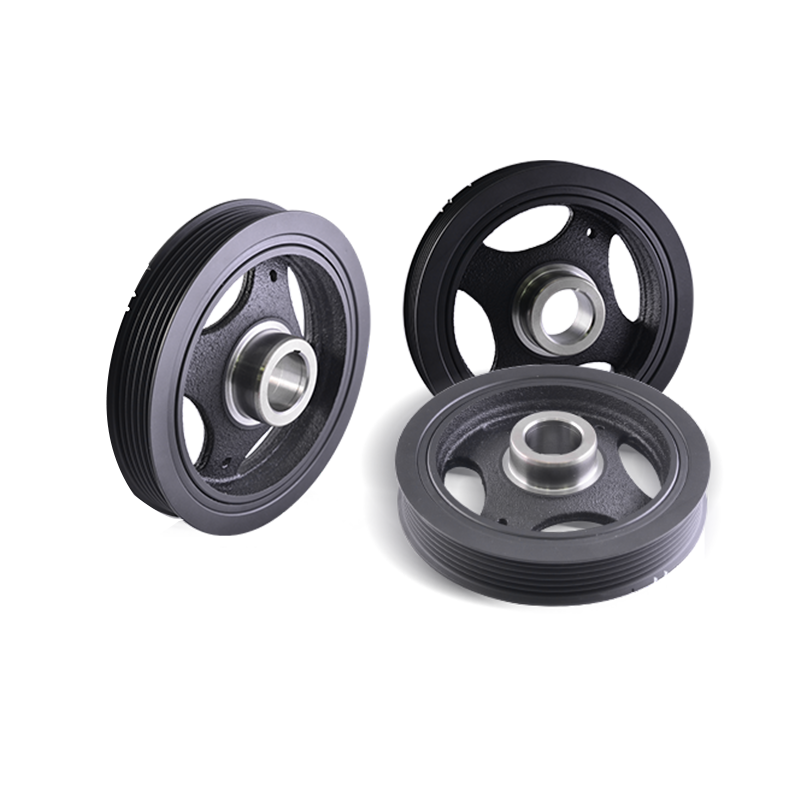
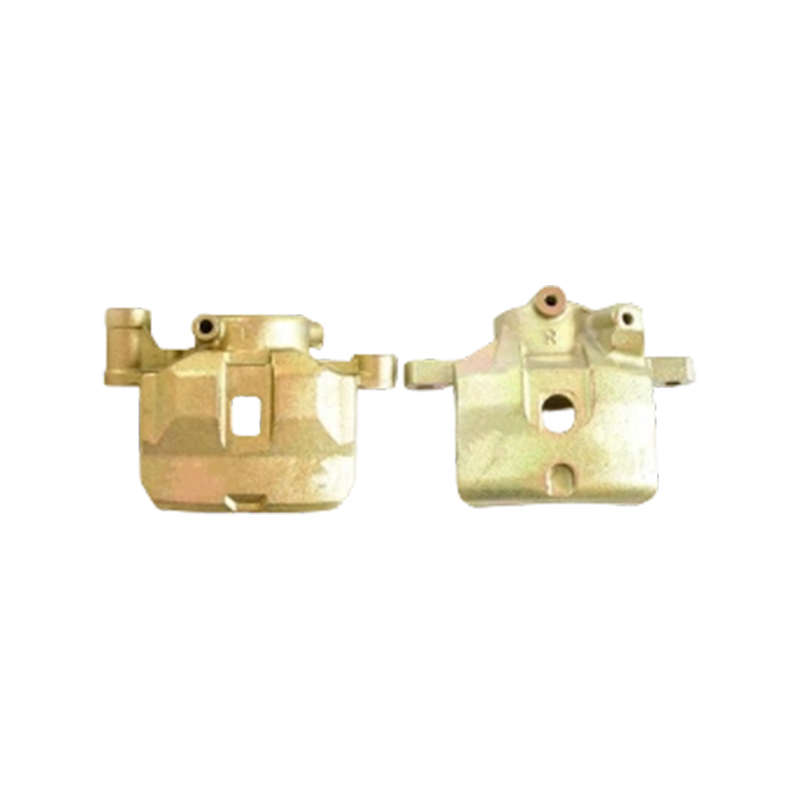
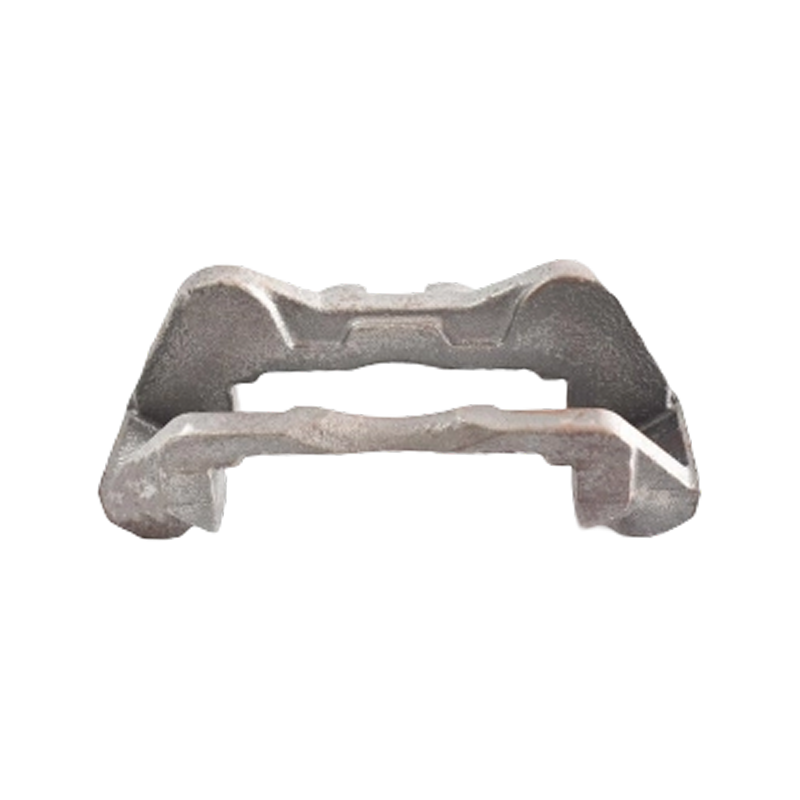
Engine blocks, brake discs, and gear housings are commonly cast using Green Sand Casting Products. Accurate mold preparation and pouring meet strength and wear requirements while lowering mold and material costs.
For example, combining green sand casting with precision casting in engine block production ensures critical surfaces are polished and heat-treated, while non-critical areas reduce costs by 15%-20%. This demonstrates the balance of cost and quality.
Large pump bodies, valves, and machinery supports require high dimensional accuracy but moderate surface finish. Green sand casting excels here. Optimizing sand composition and gating reduces defects and maintains production efficiency.
Case studies show recovery rates of 85% for mold sand and 10% reduction in metal waste, lowering costs and environmental impact.
Green sand casting also suits small batch and custom orders. Compared to high-cost molds, it allows rapid model and mold production, shortening production cycles and meeting diverse client demands.
For instance, prototype parts can be completed in days instead of weeks with investment casting, while costs drop by 30%, showing its flexibility in small and medium enterprises.
CAD/CAE software is widely used for mold design, pouring simulation, and defect prediction. Optimizing before production improves yield and reduces Casting Defects.
Intelligent temperature control and automated sand molding enhance precision and stability, enabling data monitoring and analysis, advancing Industry 4.0 applications.
High-performance binders, eco-friendly additives, and recyclable sand enhance casting quality and environmental performance. Metal scrap and mold sand recycling further reduce costs and increase competitiveness.
Strict environmental regulations worldwide promote Green Sand Casting Products. Its eco-friendly nature meets regulatory standards and improves brand reputation.
Green Sand Casting Products offers multiple advantages:
For manufacturers, Green Sand Casting Products is not just a casting process but a strategic choice for industrial efficiency, sustainability, and competitiveness.
To fully leverage Green Sand Casting Products, consider:
In summary, Green Sand Casting Products is a cost-effective, flexible, and eco-friendly casting method. Through careful mold preparation, metal pouring, material optimization, and technical integration, it achieves high-quality castings while conserving resources. With ongoing advancements in digitalization, automation, and environmental standards, green sand casting is set to play an increasingly important role across industrial sectors, contributing to sustainable manufacturing.
Request for a call today




 English
 中文简体
中文简体 Español