
Content
Selecting the right material for industrial components plays a critical role in ensuring performance, durability, and cost efficiency. Among various engineering materials, ductile iron castings are widely used due to their excellent strength, wear resistance, and versatility. However, choosing the right type for a specific application requires careful evaluation of several technical and operational factors.
Ductile iron castings are engineered materials formed by adding nodularizing elements to molten iron, resulting in a microstructure with spherical graphite. This structure provides improved flexibility and toughness compared to traditional gray iron.
Key advantages include:
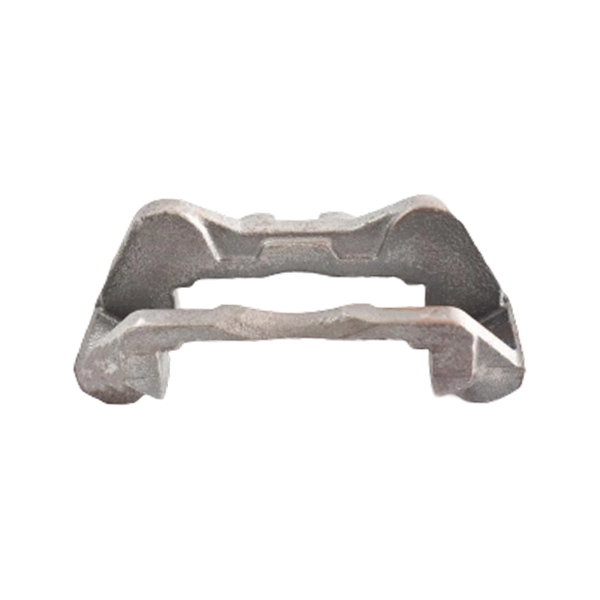
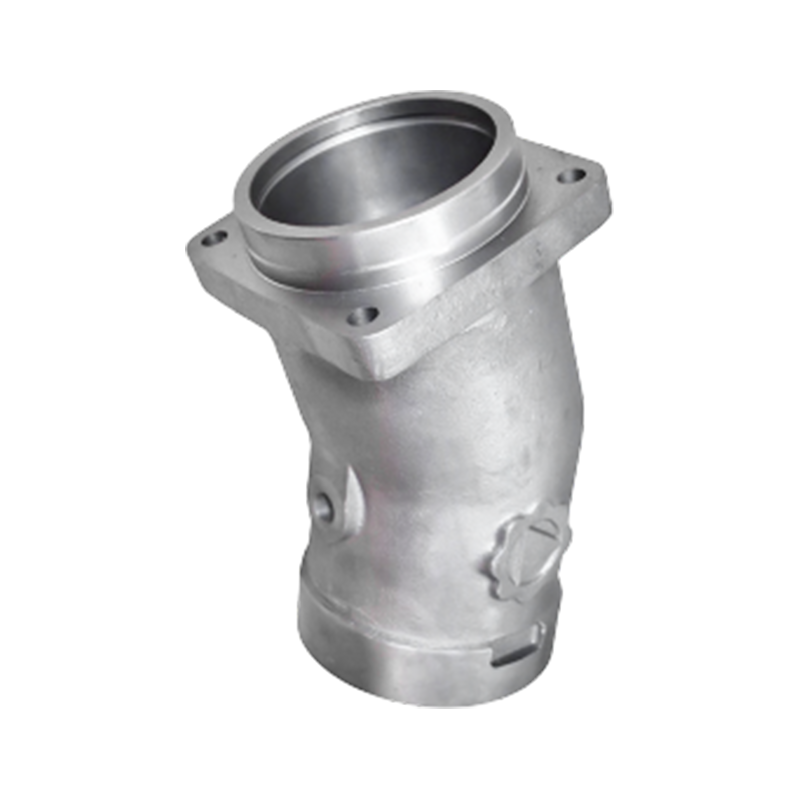
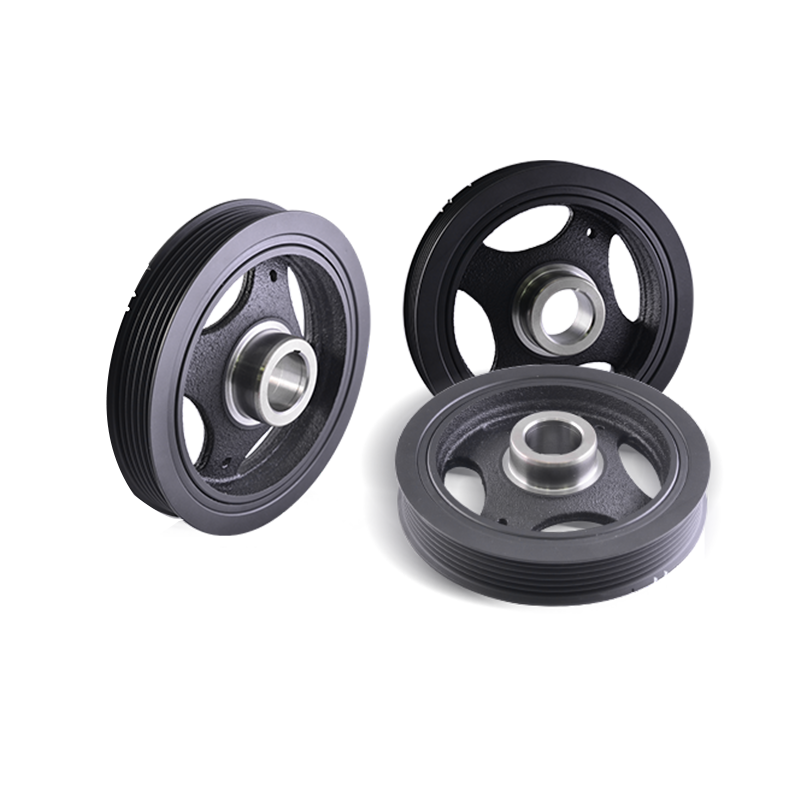
These properties make them suitable for automotive systems, machinery parts, pipelines, and structural components.
When choosing ductile iron castings, several application-specific factors must be considered:
Different applications require different levels of strength and ductility. High-load environments demand grades with higher tensile strength and elongation capacity.
Corrosive, high-temperature, or abrasive environments require specialized surface treatments or alloy modifications to enhance resistance.
Complex geometries benefit from casting methods that allow precision shaping without compromising structural integrity.
Balancing performance requirements with production cost is essential for large-scale industrial use.
| Property Requirement | Suitable Casting Characteristics | Typical Application Type |
|---|---|---|
| High strength | Enhanced tensile grade ductile iron | Heavy machinery components |
| High wear resistance | Alloy-modified ductile iron | Mining and industrial tools |
| High impact resistance | High elongation ductile iron | Automotive safety parts |
| General-purpose use | Standard ductile iron castings | Structural fittings |
This table helps identify which material characteristics align with specific operational needs.
To choose the right ductile iron castings, follow a structured approach:
Identify whether the component will face static loads, dynamic stress, or environmental exposure.
Decide whether strength, durability, or machinability is the most critical factor.
Select a grade of ductile iron that aligns with the required mechanical and physical properties.
Ensure the casting process supports required tolerances, geometry, and production volume.
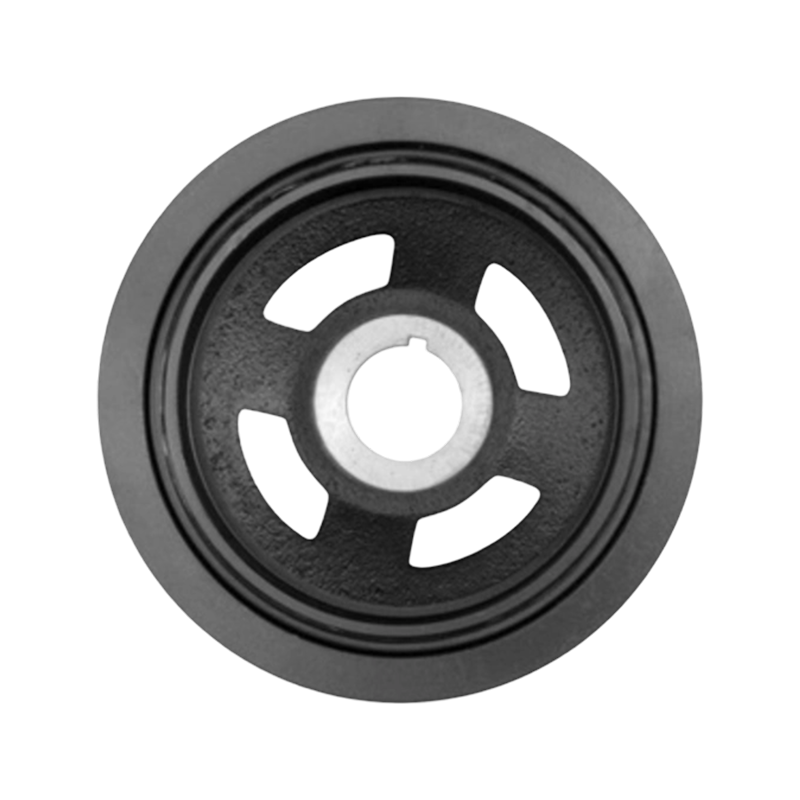
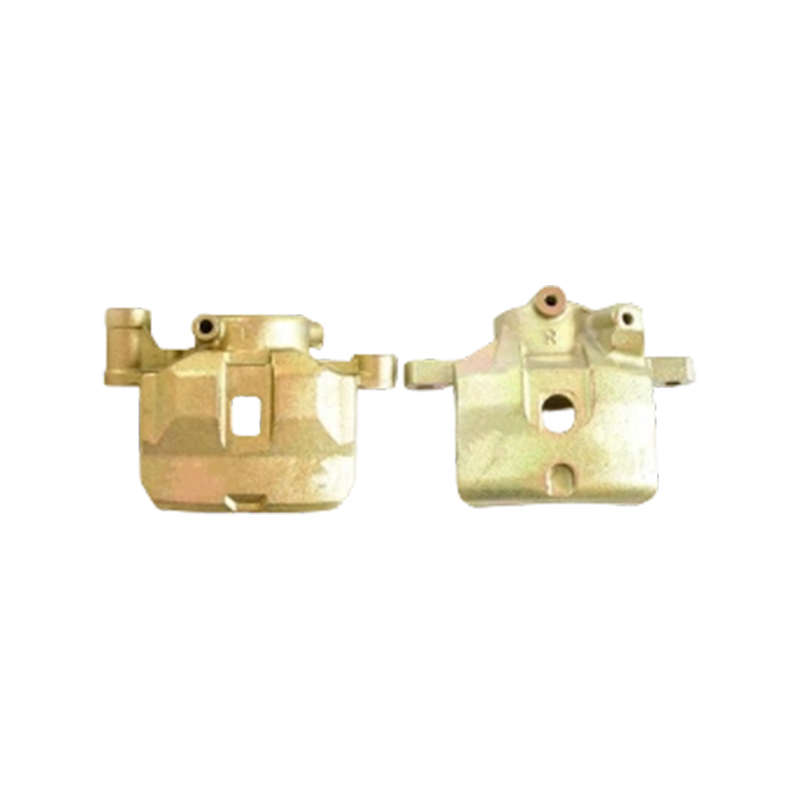
Ductile iron castings are widely used across multiple industries, including:
Each application places different demands on material strength, fatigue resistance, and dimensional accuracy.
Choosing the correct casting type improves:
Incorrect selection may lead to premature wear, structural failure, or inefficient performance.
Because they combine high strength with good ductility, allowing them to withstand heavy loads and repeated stress without cracking.
Yes, but they may require coatings or alloy modifications depending on the severity of the environment.
Ductile iron has spherical graphite structures, offering better toughness and flexibility compared to the flake graphite in gray iron.
The most important factor is matching material properties to the specific mechanical and environmental requirements of the application.
Selecting the right ductile iron castings requires a clear understanding of mechanical demands, environmental conditions, and performance expectations. By systematically evaluating these factors, engineers can ensure optimal reliability, efficiency, and long-term value in industrial applications.
Request for a call today




 English
 中文简体
中文简体 Español