

Content
Air compressors are essential machines used across a wide variety of industries, from manufacturing to energy and medical fields. Their primary function is to convert power into potential energy stored in compressed air, which can be used for a broad range of applications. The components that make up an air compressor are critical in determining the machine's efficiency, performance, and longevity. Understanding these components is key for anyone involved in the design, maintenance, or optimization of air compressors.
Air compressors are mechanical devices that convert power into compressed air, which can be stored and used for various tasks. They are utilized in pneumatic tools, HVAC systems, power plants, and manufacturing facilities. Air compressors are typically classified into several types, including reciprocating (piston) compressors, rotary screw compressors, and centrifugal compressors.
Each type of compressor utilizes different methods to compress air. Reciprocating compressors use pistons, while rotary screw compressors rely on screws to compress the air. The centrifugal compressor uses high-speed rotating blades to force air into a chamber, where it is compressed.
Several key components make up an air compressor, and each plays a vital role in ensuring the machine operates efficiently. These components include:
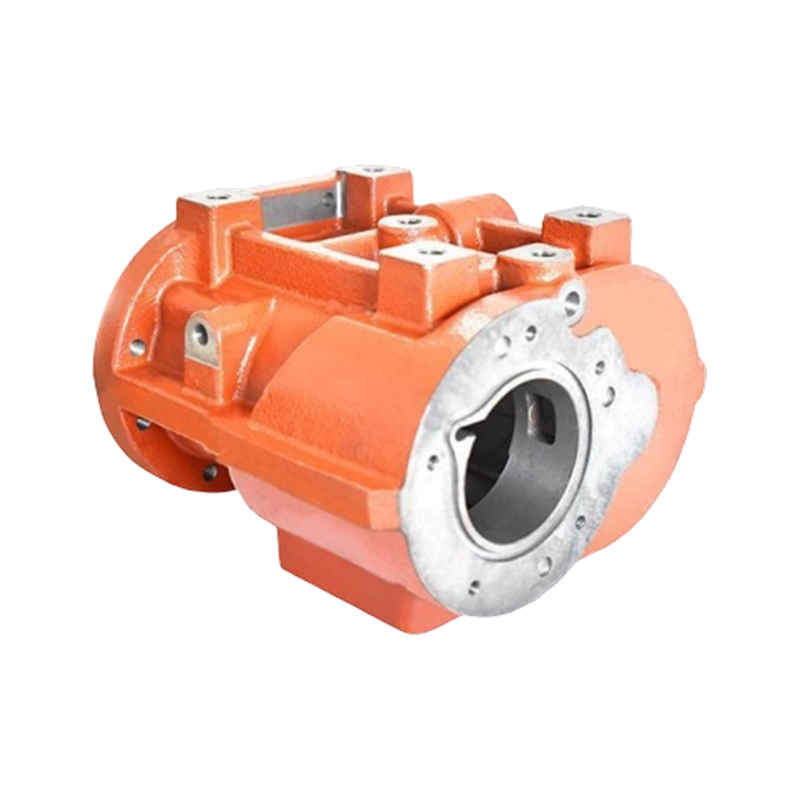
Green sand casting is one of the most commonly used methods for producing metal components. It involves creating a mold from a mixture of sand, clay, and water, which is then used to cast metal components. The “green” in green sand casting refers to the wet sand used to make the molds, which are then baked in an oven to harden.
This method offers several benefits, including cost-effectiveness, the ability to create complex shapes, and a relatively quick turnaround time for production. Green sand casting is often used for large-scale production of components for industries such as automotive, aerospace, and industrial equipment.
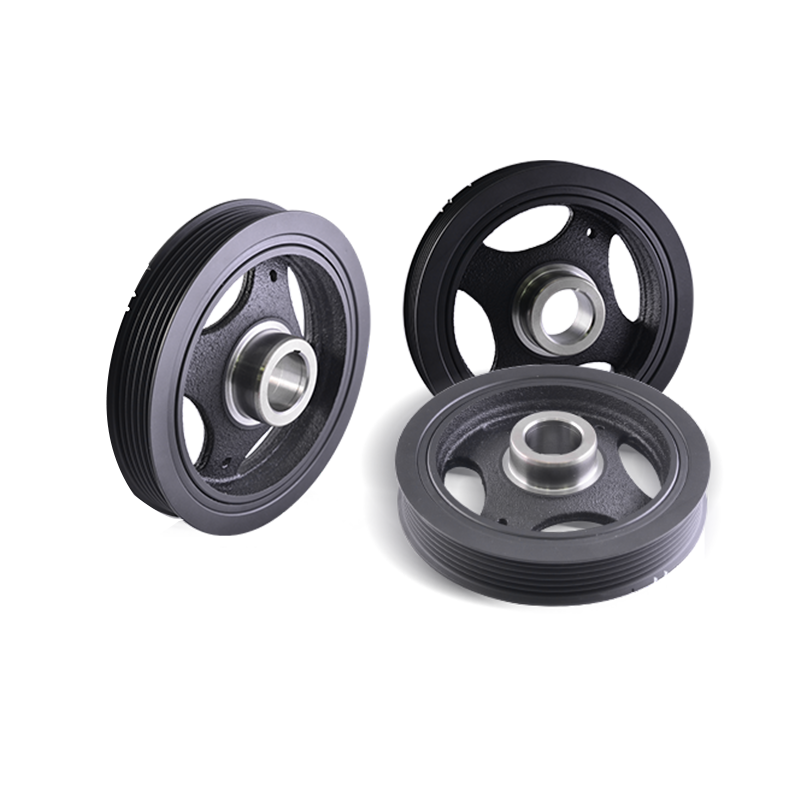
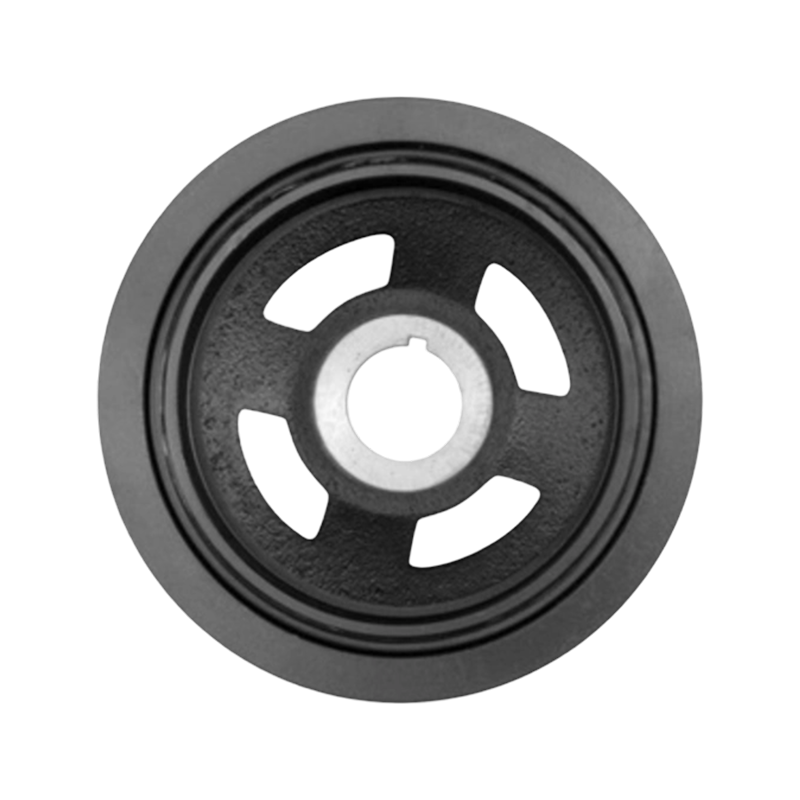
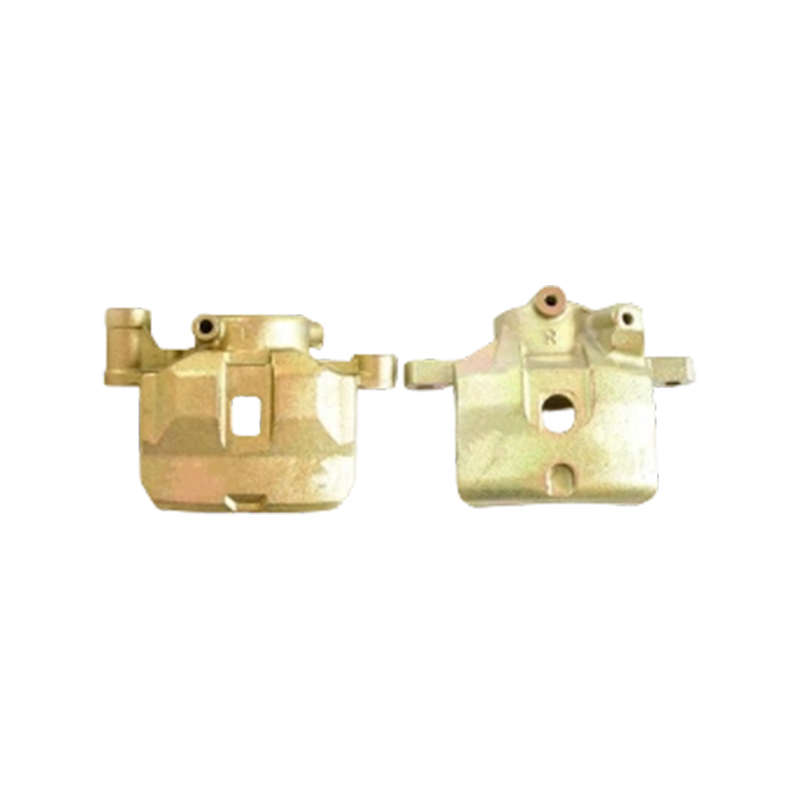
Green sand casting has become a go-to method for producing air compressor components, particularly for parts such as pistons, cylinders, and valve bodies. The technique's ability to create precise and durable metal parts makes it ideal for the manufacturing of high-stress components found in air compressors. The materials used in green sand casting—such as aluminum alloys, cast iron, and steel—are highly suitable for the demanding conditions of air compressor operations.
One of the main advantages of green sand casting in air compressor components is its ability to create intricate designs. For instance, air compressor pistons often require precise specifications to ensure optimal compression and smooth movement within the cylinder. Green sand casting allows manufacturers to achieve these specifications, ensuring high efficiency and longevity for the components.
Compressor Pistons and Cylinders: Green sand casting is ideal for producing pistons and cylinders due to its ability to produce precise shapes and fine details. These components must withstand high temperatures and pressure, which makes the durability and resilience of cast materials critical.
Compressor Valves: The production of compressor valves through green sand casting ensures that the components are strong and resistant to wear. Valves are subject to constant movement and pressure changes, requiring high-quality materials and casting processes.
Air Filters and Other Small Components: Smaller components such as air filters and valve bodies can be efficiently produced using green sand casting, providing consistency and precision at a lower cost.
Comparison of Green Sand Casting vs Traditional Casting Methods
| Feature | Green Sand Casting | Traditional Casting Methods |
|---|---|---|
| Cost | Lower | Higher |
| Production Speed | Faster | Slower |
| Material Flexibility | Good for various alloys | Limited to fewer materials |
| Precision | High | Moderate to High |
| Complexity of Shape | Highly adaptable for complex parts | Limited flexibility |
Air compressor components are exposed to extreme conditions, including high temperatures and heavy wear. To combat these challenges, manufacturers have developed new materials and coatings that enhance the durability and performance of compressor components.
These innovations help extend the lifespan of air compressor components, reduce maintenance costs, and increase the overall efficiency of the system.
Modern air compressor component production is heavily influenced by new manufacturing technologies. Some of the key advancements include:
Manufacturers of air compressor components adhere to strict quality control standards to ensure that their products meet industry specifications. These standards are typically set by international organizations, such as ISO (International Organization for Standardization) and ANSI (American National Standards Institute).
To ensure the longevity of air compressors, regular maintenance of components is crucial. Some of the most important maintenance tasks include:
Maintenance Schedule for Common Air Compressor Components
| Component | Maintenance Frequency | Maintenance Tasks |
|---|---|---|
| Compressor Pistons | Every 500 hours | Check for wear, clean, and lubricate |
| Compressor Valves | Every 1000 hours | Inspect seals, clean, and replace if necessary |
| Air Filters | Every 250 hours | Replace filters and clean intake system |
| Oil Separator | Every 2000 hours | Check oil separation efficiency, clean if needed |
| Pressure Switch | Every 1500 hours | Test switch functionality, check electrical connections |
Air compressors play a crucial role in the manufacturing sector, where they are used for a wide range of applications, from powering pneumatic tools to driving machines and operating automated systems. Their components must be highly durable to withstand continuous operation in demanding environments.
Industrial Production and Machining: In industrial manufacturing, air compressors are essential for powering equipment like CNC machines, automated assembly lines, and robotic arms. The components involved must deliver consistent performance and efficiency to maintain the high demands of the production process.
Role in Die Casting and Injection Molding: Air compressors are commonly used in die casting and injection molding processes, where compressed air is required to inject molten metal into molds or to cool parts quickly. Components like pistons, valves, and cylinders need to handle high-pressure air and provide precise control to ensure accurate molding processes.
Air compressors are indispensable in various sectors of the energy and environmental industries, where they are used for gas transportation, power generation, and environmental control systems.
Oil and Gas Industry: In oil and gas operations, air compressors are employed to power equipment, transport natural gas, and operate drilling and pumping stations. Components like compressors, air filters, and oil separators need to meet stringent safety and reliability standards to handle the extreme conditions of these industries.
Use of Compressed Air in Environmental Equipment: Air compressors are widely used in environmental control equipment, such as air filtration and dust collection systems. The components must be efficient and long-lasting, as they contribute to maintaining air quality and reducing environmental pollutants.
In addition to manufacturing and energy, air compressors are used in several other industries where reliable and efficient compressed air is crucial.
To summarize, the components of air compressors are central to their functionality and performance across a wide range of industries. From manufacturing to energy and environmental sectors, air compressors are vital tools in enhancing operational efficiency, productivity, and precision. The continuous innovation in materials, manufacturing techniques, and smart technologies has led to substantial improvements in the reliability, efficiency, and environmental sustainability of air compressor components.
1. What Are the Advantages of Green Sand Casting Compared to Traditional Casting Methods?
Green sand casting is more cost-effective and flexible than traditional casting methods. It allows for quicker turnaround times and the ability to produce complex shapes with a variety of materials, making it an ideal choice for producing high-quality air compressor components.
2. What Are the Common Failures of Air Compressor Pistons and Valves, and How Can They Be Prevented?
Common issues include wear, cracks, and leakage in pistons and valves due to constant pressure and movement. Regular maintenance, such as lubrication, timely replacement of seals, and proper filtration, can prevent these issues and extend the lifespan of these components.
3. How Can I Extend the Lifespan of My Air Compressor Components?
To prolong the lifespan of air compressor components, ensure regular maintenance such as oil changes, air filter replacements, and pressure checks. Keeping the components clean and properly lubricated, as well as following the manufacturer's guidelines, will help minimize wear and tear.
4. How Does Smart Technology Impact the Performance and Maintenance of Air Compressors?
Smart technology, such as IoT integration and automated monitoring systems, enhances the performance and maintenance of air compressors by providing real-time data on operating conditions. This data helps predict maintenance needs, detect potential issues early, and improve the overall efficiency of the system.
Request for a call today




 English
 中文简体
中文简体 Español