
 English
 中文简体
中文简体 Español
Green Sand Casting in Hydraulic Component Manufacturing: Process and Advantages
Home / News / Industry News / Green Sand Casting in Hydraulic Component Manufacturing: Process and Advantages

Content
In modern industrial production, the demand for durable, cost-efficient, and precision-engineered metal parts continues to grow, especially in hydraulic systems. Among various forming technologies, green sand casting has become a widely adopted method for producing complex and robust components. For a hydraulic component manufacturer, this process offers a reliable balance between flexibility, scalability, and performance.
Green sand casting is particularly valued for its ability to produce intricate shapes while maintaining structural integrity, making it suitable for hydraulic pumps, valves, housings, and other pressure-bearing components.
Green sand casting is a metal casting process that uses a mixture of sand, clay, water, and additives to form molds. The term “green” does not refer to color but indicates that the sand is moist or “unbaked” when used.
This process is widely used because of its simplicity, recyclability, and adaptability to both small and large-scale production environments.
| Component | Function in Mold Structure |
|---|---|
| Silica Sand | Provides base strength and shape |
| Bentonite Clay | Acts as a binding agent |
| Water | Activates clay and improves plasticity |
| Carbon Additives | Enhances surface finish and reduces defects |
For a hydraulic component manufacturer, the process typically involves several controlled stages to ensure dimensional accuracy and mechanical reliability.
A pattern replicating the final hydraulic part is created, usually from metal, plastic, or wood.
The green sand mixture is packed around the pattern to form a mold cavity.
If internal channels or hollow sections are needed, sand cores are inserted.
Molten metal is poured into the mold under controlled temperature conditions.
The metal cools and solidifies, taking the shape of the mold cavity.
The sand mold is broken away, and the casting is cleaned and finished.
Green sand casting provides several advantages that make it particularly suitable for hydraulic system components.
The materials used are inexpensive and reusable, reducing production costs.
Complex geometries, including internal channels common in hydraulic systems, can be achieved easily.
Suitable for both prototype development and mass production.
Compatible with various metals such as iron, steel, and aluminum alloys.
Short mold preparation time supports efficient manufacturing turnaround.
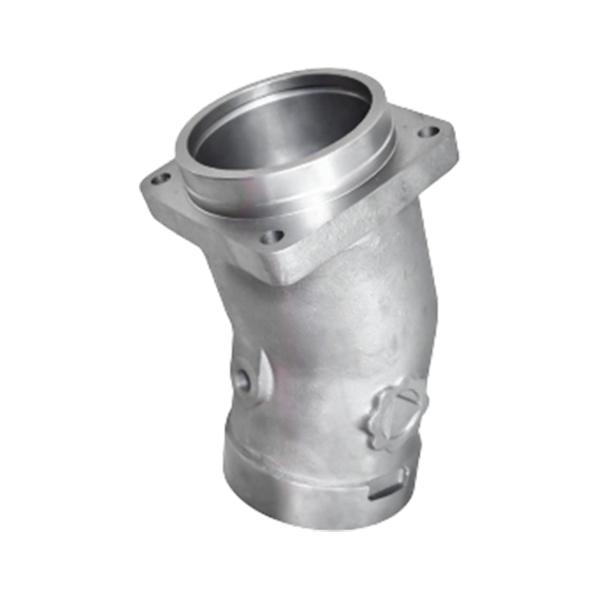
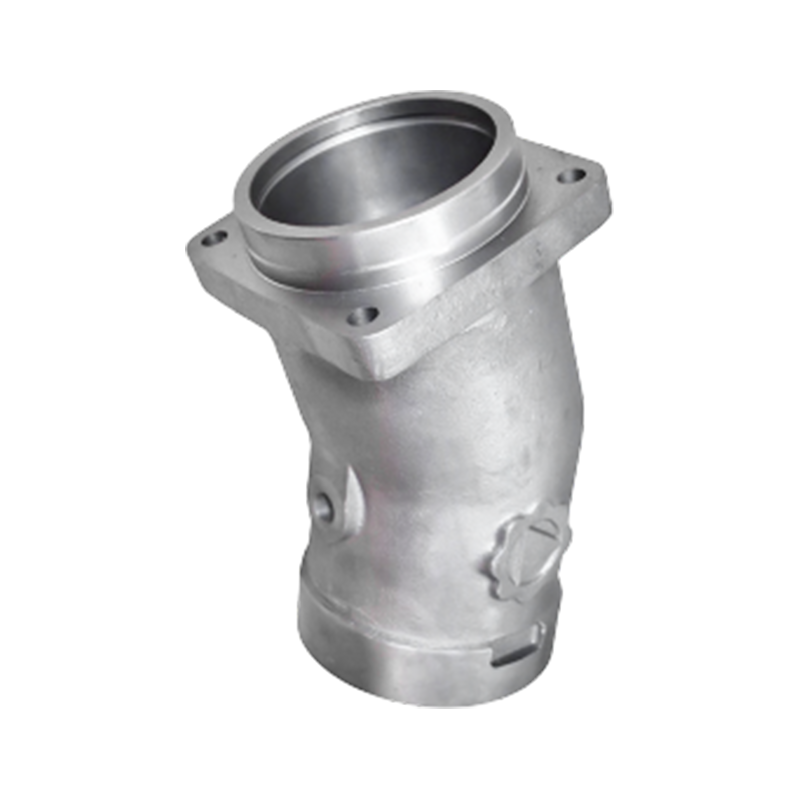
A hydraulic component manufacturer often relies on green sand casting to produce parts that require strength, pressure resistance, and durability.
Typical components include:
These components must withstand high pressure and continuous mechanical stress, making casting quality critical.
To ensure optimal performance, several factors must be carefully controlled:
Proper process control directly influences component lifespan and hydraulic system efficiency.
| Factor | Green Sand Casting | Alternative Methods |
|---|---|---|
| Production Cost | Low | Medium to High |
| Mold Reusability | High (sand recycled) | Limited |
| Complexity Handling | Moderate to High | High (but costly) |
| Production Speed | Fast | Varies |
As hydraulic systems evolve toward higher efficiency and compact design, manufacturing methods must adapt accordingly. Green sand casting remains a foundational process due to its balance of affordability and engineering capability.
For any hydraulic component manufacturer, this method ensures consistent output quality while supporting innovation in part design and system integration.
Green sand casting continues to play a crucial role in hydraulic component manufacturing due to its adaptability, cost-effectiveness, and ability to produce complex metal parts. As industrial demand grows, this method remains a reliable solution for producing durable and high-performance hydraulic components.
Q1: Why is green sand casting widely used in hydraulic parts production?
It provides a cost-effective way to produce complex and durable components suitable for high-pressure hydraulic systems.
Q2: What metals are commonly used in green sand casting?
Common materials include cast iron, steel alloys, and aluminum alloys depending on application requirements.
Q3: Is green sand casting suitable for mass production?
Yes, it supports both small-scale prototyping and large-scale industrial production efficiently.
Q4: What are the main limitations of green sand casting?
Surface finish may require additional processing, and extremely tight tolerances can be challenging.
Q5: How does a hydraulic component manufacturer ensure quality in casting?
Through strict control of mold composition, temperature, cooling rate, and post-processing inspections.
Request for a call today